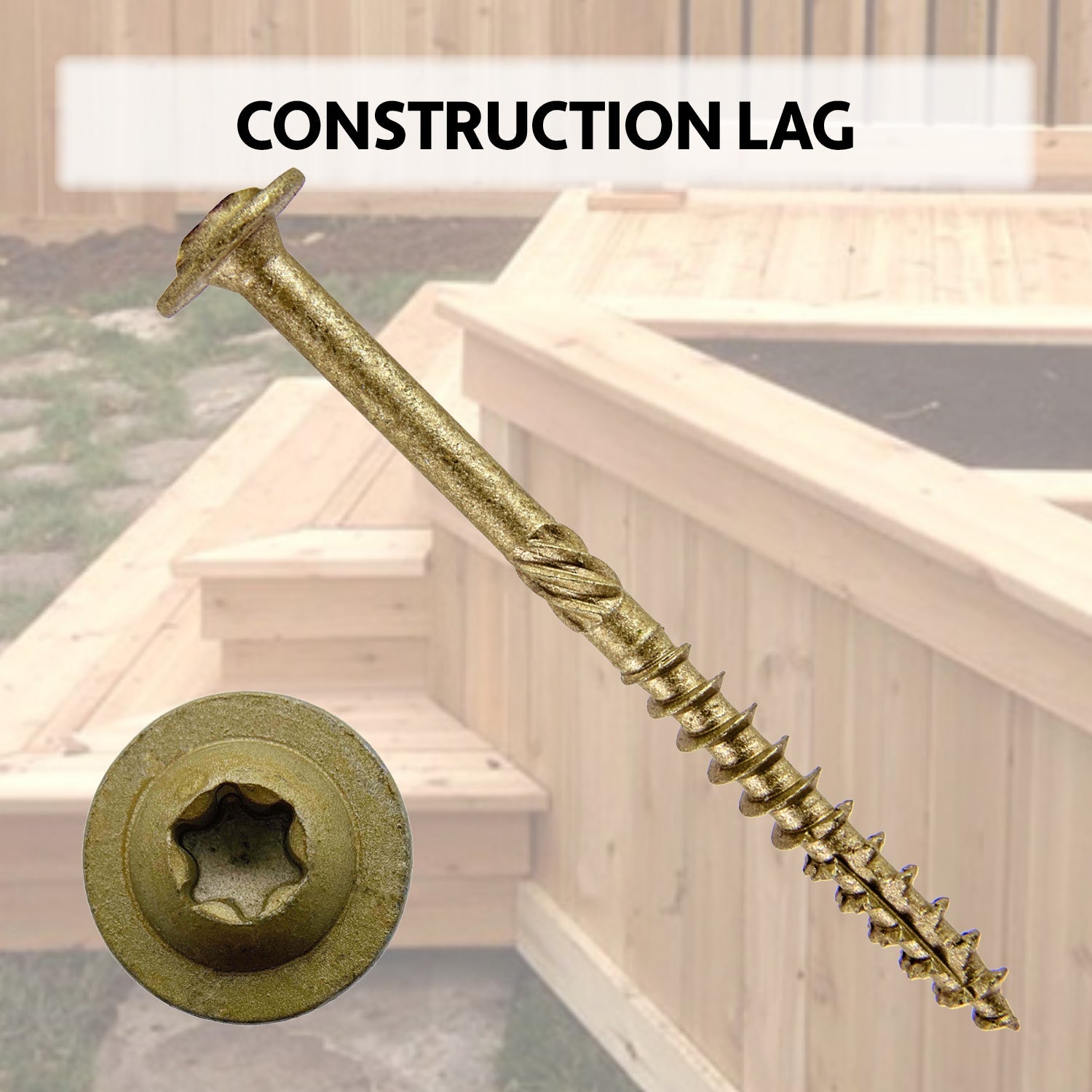
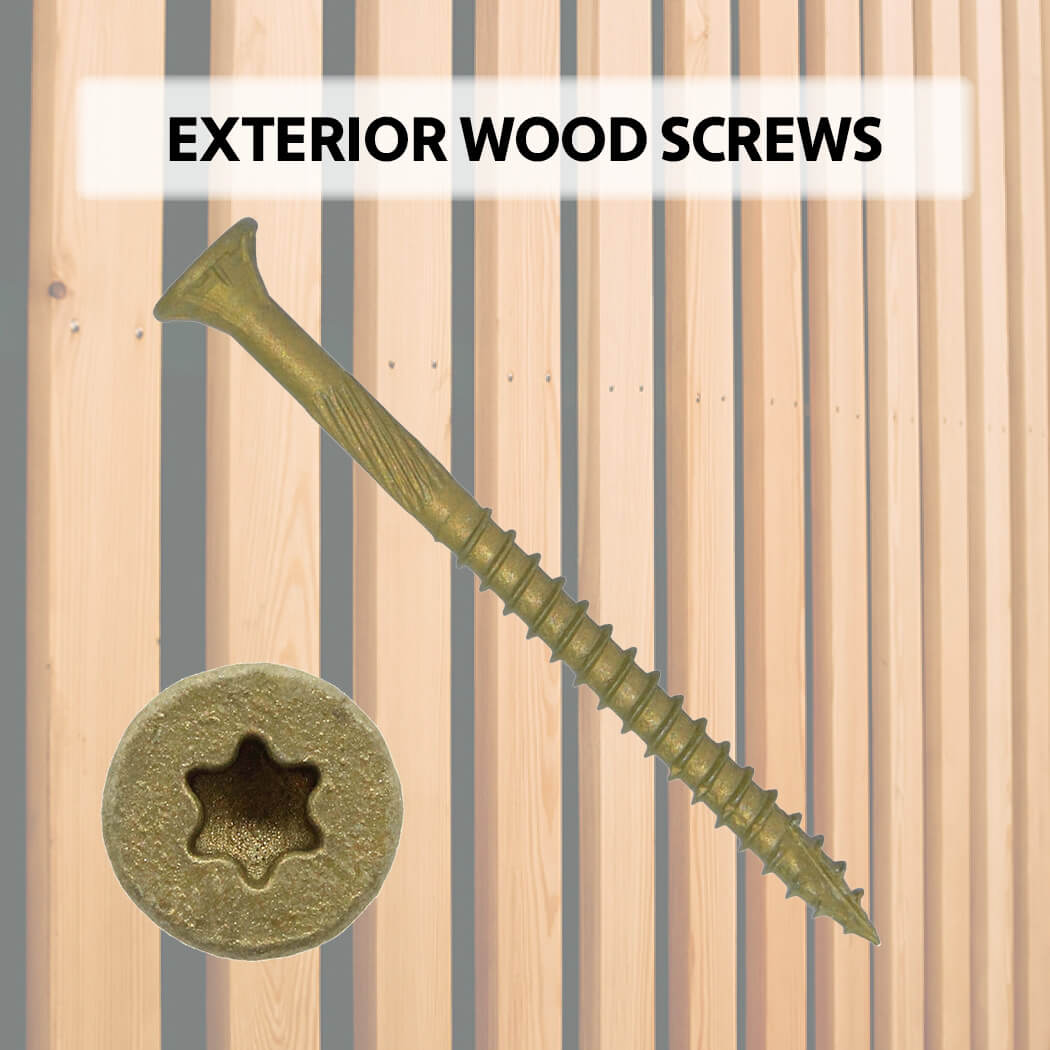
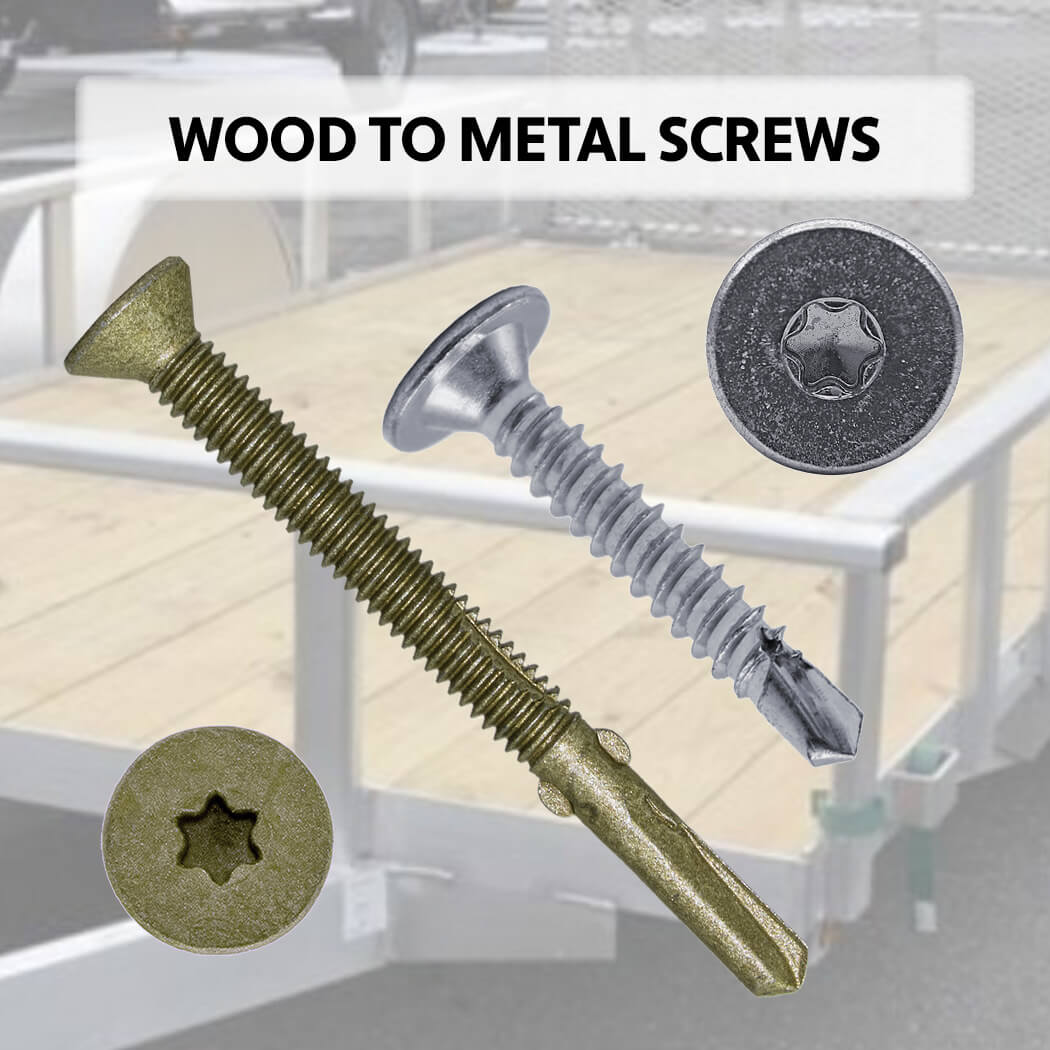
The shape of a screw head isn't just cosmetic — it determines how the screw sits in the material, whether it can countersink flush, how much bearing surface it offers, and what drive type it accepts. Pan head screws, flat head screws, and round head screws all have distinct profiles that suit different applications. Choosing the right screw head prevents damage to materials and gives you the finish the project requires.
The Four Main Types of Screw Heads
The four primary screw head styles are flat head, pan head, round head, and oval head (also called raised head). Each has a different underside profile that determines how it sits against the material surface. For the full range of head styles, see our complete guide to types of screws and screw heads.
Flat Head Screws
Flat head screws sit flush with the surface when properly installed. The underside of the head is tapered (countersunk) — as the screw is driven, the tapered head pulls down into a matching countersunk hole and ends up level with the material surface. Flat head screws are preferred for applications requiring a smooth surface from countersinking — furniture assembly, hinges, drawer hardware, and any application where a proud screw head would catch on something or look unfinished.
Flat head screws create a flush finish with surfaces, making them the standard choice for wood joinery, cabinetry, and door hardware. When the countersink angle in the material matches the head angle of the screw (typically 82° for inch-system screws), the head pulls down smoothly and stops flush without overdriving.
Pan Head Screws
Pan head screws have a low, slightly domed top with a flat underside and straight sides — the profile looks like an upside-down shallow pan. The flat underside bears against the material surface without countersinking, leaving the head above the surface. Pan head screws withstand high torque and are widely used in metalworking, electronics, and machine assembly where the screw head needs to bear firmly against a flat surface.
Pan head screws offer more bearing surface area than flat heads because the flat underside distributes clamping load over a wider area. They are the standard for machine screws and sheet metal screws used in enclosures, brackets, and equipment panels. Pan heads are also used extensively in electrical boxes, appliances, and hardware where appearance is secondary to mechanical performance.
Round Head Screws
Round head screws have a fully domed, hemispherical top and a flat underside — they sit above the surface and are not intended to countersink. Round head screws are ideal for decorative applications and easy adjustments because the domed head is easy to see and access. They are used in antique furniture reproduction, decorative ironwork, vintage electrical fixtures, and applications where the prominent rounded head is an intentional design feature.
Round head screws are ideal for decorative purposes — the prominent dome makes them visually distinctive. They also work well in applications where the material is thin enough that countersinking would break through, or where the screw needs to be frequently accessed and removed.
Oval Head (Raised Head) Screws
Oval head screws provide a hybrid look between flat and round heads. The underside is tapered like a flat head, allowing slight countersinking, but the top is slightly domed rather than flat. Oval head screws provide an aesthetic finish while being partially exposed — the slight dome is visible above the surface after installation, providing a more refined look than a fully exposed round head. They are common in decorative hardware, musical instrument hardware, and furniture where a slightly visible head adds visual detail.
When to Use Round Head vs. Flat Head Screws
Use flat head screws when the screw must be flush with the surface — countertop hardware, hinges, and any application where a protruding head would interfere with function or appearance. Use round head screws when the head will be exposed and its dome shape is acceptable or intentional, such as in thin materials where countersinking isn't possible, decorative applications, or access panels that need to be frequently removed. Use pan head screws in metal-to-metal connections, machine assemblies, and electronics where bearing surface area matters and the head will remain proud.
Why Would You Use a Flat Head Screw?
Flat head screws are the right choice when you need the screw head level with or below the material surface. Choosing the right screw head prevents damage to materials — a proud round or pan head on a door hinge location, for example, would prevent the door from closing fully. Flat head screws are also required for concealed fastening under veneer, laminate, or trim that will be glued over the screw location. In woodworking, flat head screws create a clean, professional appearance that's easily covered with wooden plugs if desired.
Hex Head Screws
Hex head screws are designed for heavy-duty applications. The hexagonal head accepts a wrench or socket for maximum torque application — far more than any recess drive style. Hex head screws are used in structural connections, lag bolt applications, and high-load assemblies where bit drivers would slip or fail. They are not recessed-drive fasteners and are not countersinking.
Shop Pan, Flat & Round Head Screws at jakesales.com
Find flat head screws, pan head screws, round head screws, and oval head screws in wood screw, machine screw, and sheet metal screw configurations at jakesales.com. You can find every common head type, drive style, and material for any fastening application.