How does a fastener's drive design affect torque capacity, holding power, and function? Learn how in this guide to the most common drive types.
What is a Fastener Drive?
The drive is the feature in a screw or bolt head that connects with a tool, enabling the fastener to be turned.
Although screws were initially made with only one drive type, there is now a multitude of styles available, such as flathead, Phillips, Robertson, Torx, and hex. The drive type affects how the entire fastener performs, and it's an important piece to consider when selecting a fastener.
What Does Drive Type Affect?
A fastener's drive influences:
- Torque capacity: How much force can be applied before cam out or slippage.
- Holding power: The amount of clamping force that can be created through tightening.
- Installation and removal: How easy it is to drive the fastener and whether it can be removed later.
- Security: Whether specialty tools are required to remove the fastener.
- Appearance: The final look after installation.
Drive Type, Torque, and Holding Power
The shape of the drive affects how well tools can transfer torque to the fastener. Drives with more contact area and even force distribution can handle higher levels of torque. However, high concentrations of force created by sharp corners or small connection areas increase the likelihood of damage during installation, limiting the amount of torque that can be applied.
Higher torque increases clamping force, which is what gives fasteners their holding power. In general, drive types that resist stripping and cam out can handle higher levels of torque, creating stronger connections.
Flathead/Slotted Drive

Pros:
- Generally inexpensive and easy to find
- Does not require specialty tools
Cons:
- Drivers cam out easily
- Screws require manual alignment
- Poor compatibility with power tools
Common Flathead Applications
The flathead drive type is commonly used in lightweight or delicate applications, such as:
- Electrical cover plates
- Antique furniture
- Decorative hardware
- Restoration projects
Phillips/Cross Drive

Pros:
- Self-centering design
- Widely available
- Can be used manually or with power tools
Cons:
- Cams out under high torque
- Likely to strip or damage the bit
- Requires the right size driver for proper engagement
Common Phillips Applications
Phillips drives are common in general purpose fasteners without a significant needs for high torque, such as:
- Drywall installation
- Consumer electrics & devices
- Lightweight construction & furniture
Phillips vs. Frearson

Torx/Star Drive

Common Torx Applications
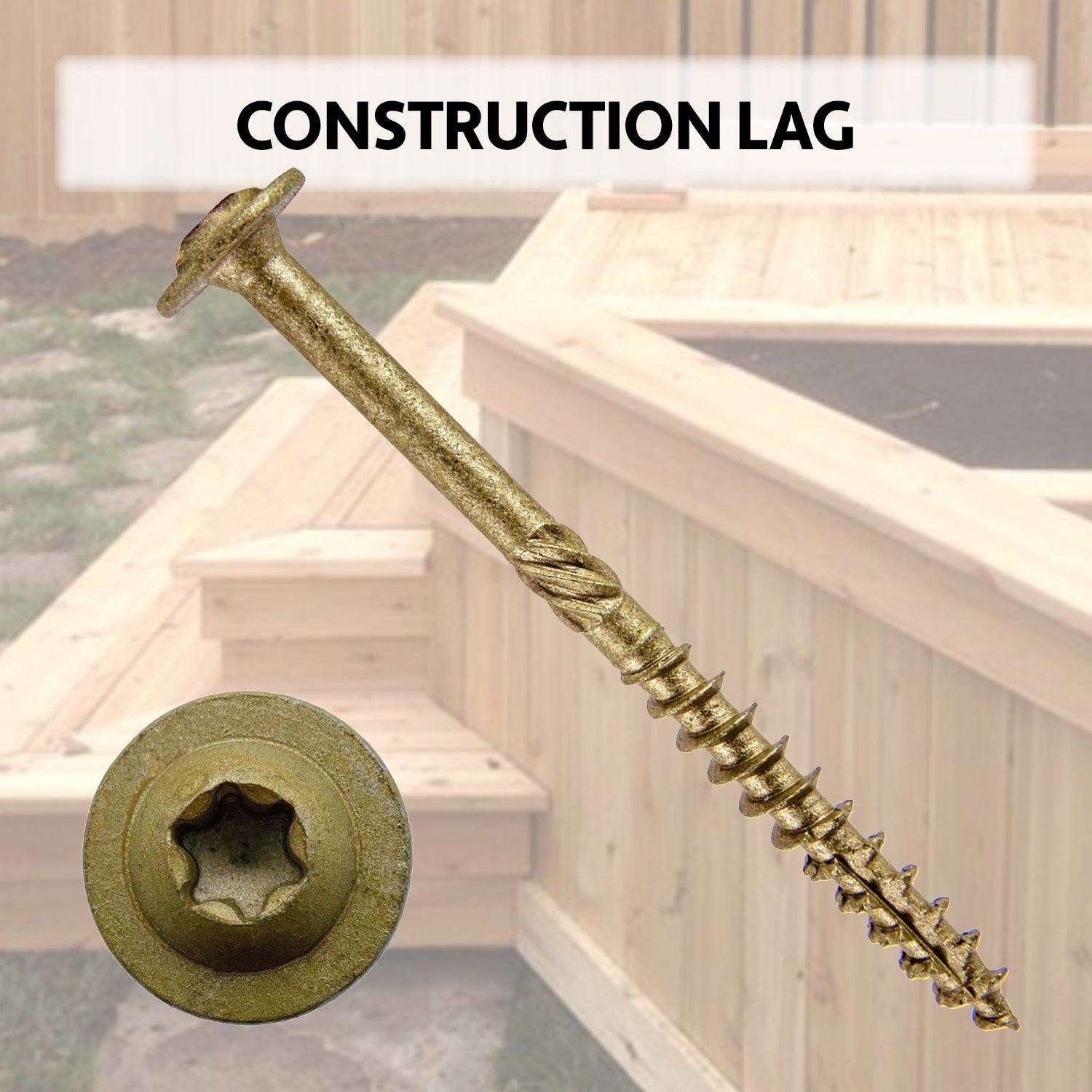
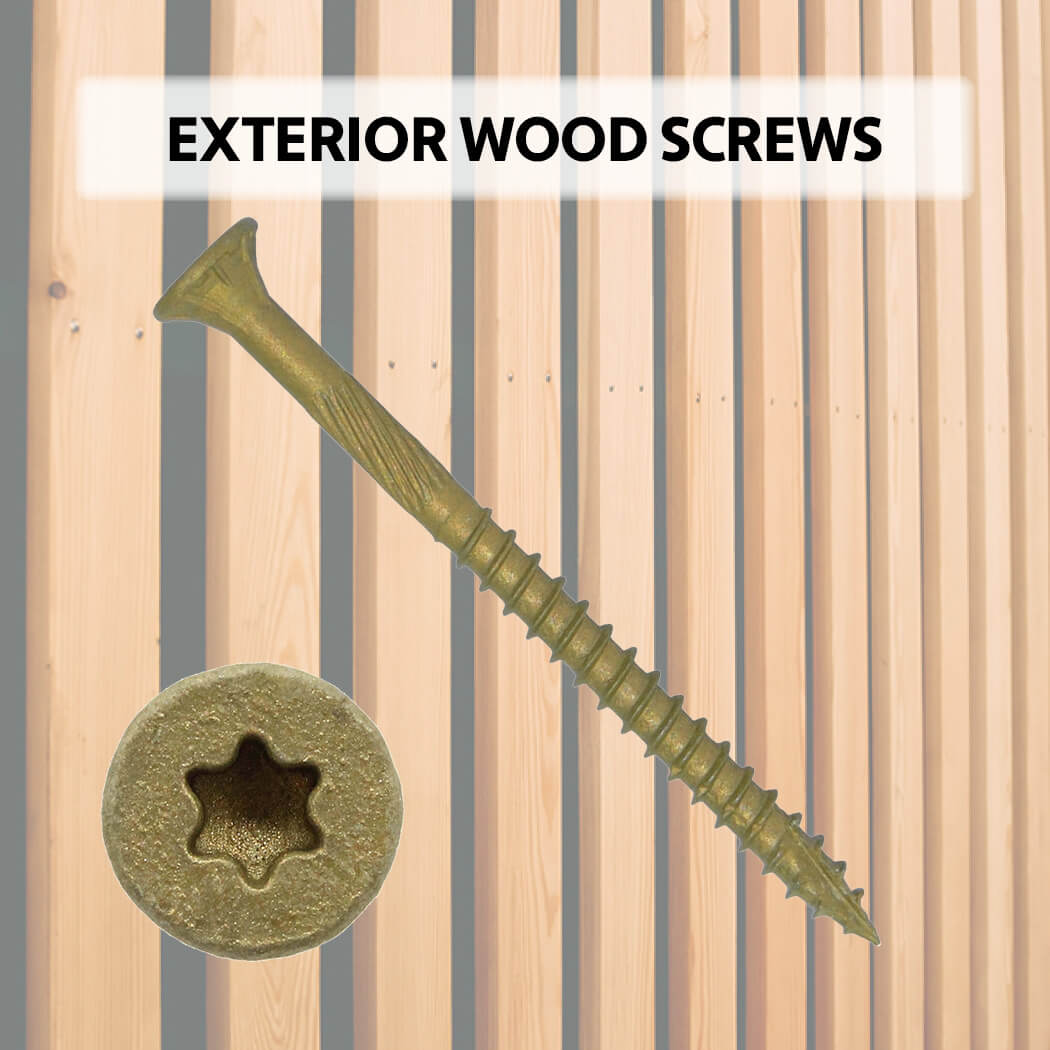
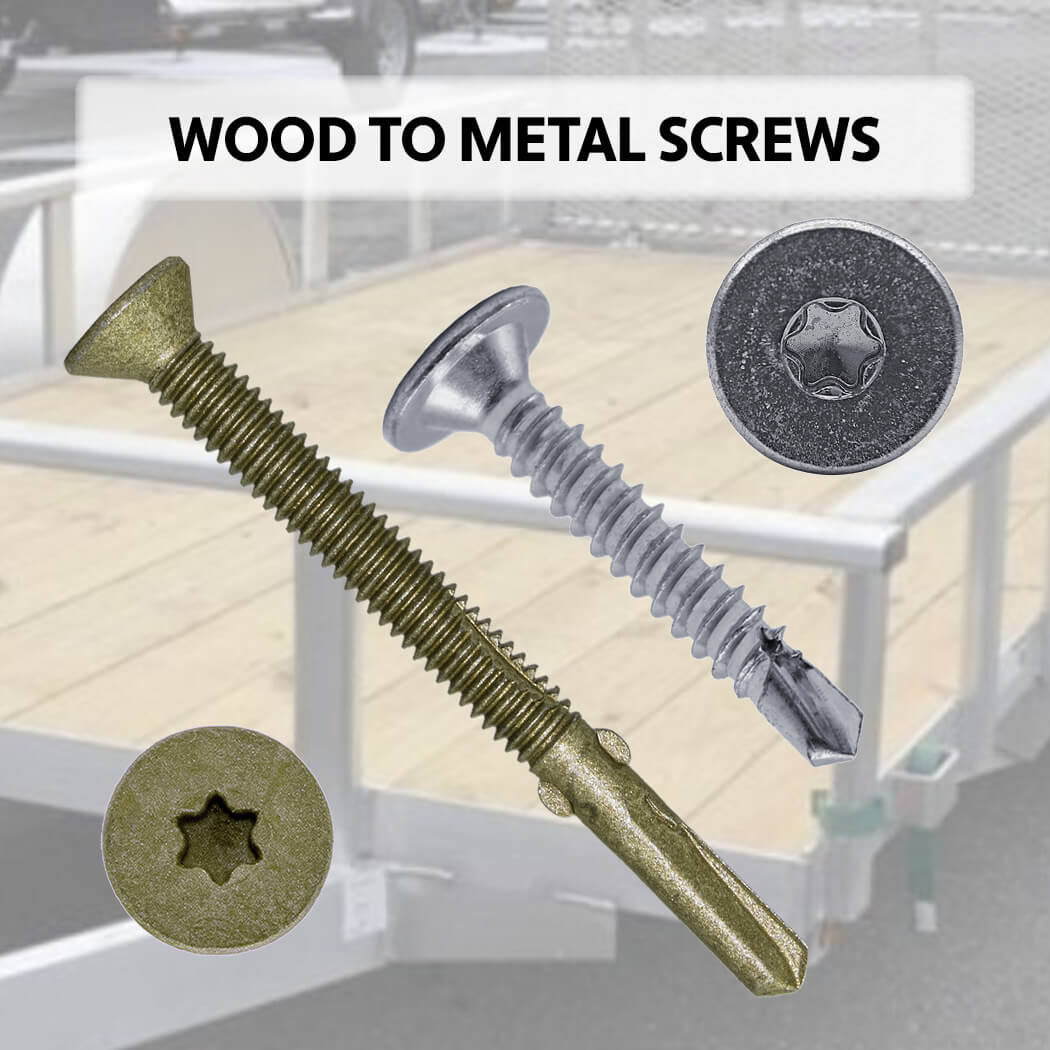
Because the Torx drive allows for higher torque transfer and, therefore, higher clamping force, it is a strong choice for heavy-duty or structural applications that earlier designs cannot accommodate, such as:
- Automotive assembly
- Structure and framing applications
- Appliances & machinery
Robertson/Square Drive

Common Robertson Applications
For its high torque capacity, Robertson drive screws can be used in a variety of heavy-duty and general applications alike, such as:
- Structure and framing applications
- General woodworking
- Furniture assembly
- Electrical devices
Allen/Hex Drive

Common Allen Applications
The Allen drive is highly versatile and used in a variety of applications, such as:
- Furniture assembly
- Machinery
- Automotive parts
- Bicycles
External Drive Designs
Some drives protrude above the screw head, or the entire head may act as a drive. These are turned with an adjustable wrench or a female driver socket. External drive designs have high torque capacities and are unlikely to strip, making them an excellent option for heavy-duty applications.
These fasteners are great for outdoor applications as the head is unlikely to corrode or deform beyond use, whereas recessed drives may rust or fill with debris, rendering them unusable.
External Hex Head

Common Hex Head Applications:
- Heavy-duty structural and framing fastening
- Automotive assembly
- Outdoor construction
- Metal roofing and siding installation
External Square Head

Common Square Head Applications:
- Heavy-duty structural and framing fastening
- Plumbing fittings
- Machinery assembly
Key Differences Between Drive Types
Each drive type has unique advantages. Alongside cost and availability, you should consider the security, torque capacity, and cam out resistance when choosing a fastener. The chart below compares these features among common drive types.
| Drive Type Comparison Table | |||
|---|---|---|---|
| Drive Type | Tamper Resistance | Torque Capacity | Cam Out Resistance |
| FLATHEAD | Low | Low | Low |
| PHILLIPS & FREARSON | Low-Moderate | Low | Low |
| TORX | Moderate | High | High |
| ROBERTSON | Moderate-High | Moderate | High |
| ALLEN | Moderate-High | Moderate | High |
| HEX HEAD | Low | High | Very High |
| SQUARE HEAD | Low | High | Very High |
Keep in mind that these ratings are relative, and there are many other factors that contribute to a fastener's performance. Contact your fastener manufacturer for exact specifications.
Other Drive Types
This guide covered some of the most common drive types, but there are many others available in the fastening world. Some other notable drive types include:
- One-way drive: These feature breakaway heads or sloped wings that make it easy to install the fastener but impossible to remove without special tools.
- Combination: These drives combine features of two or more traditional styles, typically Phillips and flathead. These screws can be turend with multiple tools, making them a more convenient fastener to use.
- Thumbscrew: These are screws that can be turned by hand, eliminating the need for extra tools.
- Security: There are a multitude of drives with varying levels of tamper resistance, possibly through complex drive designs or even custom drives.
Check out our blog for more fascinating fastening information or reach out to our in-house experts if you have additional questions. Give us a call at (406)752-5253 or send us an email at tom@jakesales.com.
FAQ
Why do some drive types have higher torque capacities?
Drive types that have greater contact area with the driver transfer torque more effectively, allowing more force to be applied to the fastener. Size and the metal a fastener is made of also contribute to overall torque capacity.
Which drive type has the highest torque capacity?
Torx or "star" drive screws have the highest torque capacity of all recessed drive types covered in this guide. External drives also have high torque capacities but have a bulkier, more obtrusive appearance.
What is cam out?
"Cam out" is when a driver slips out of the fastener head, often due to excessive torque or a misfitting driver. This can cause fastener and driver damage, poorly inserted screws, and a lot of frustration.
How can you prevent cam out?
Cam out can be prevented by using the right driver for your screw, using low force during installation, and switching to a fastener with a higher torque capacity when needed.
What is a self-centering screw?
Self-centering screws have symmetrical bit designs that force the driver to point toward the center of the fastener. These include drives such as Phillips, Torx, and hex.
What's the difference between a Phillips head and a Frearson head screw?
Phillips and Frearson drives are very similar—both feature a cross-style recess. Phillips heads are more common and have slightly rounded angles. Frearson heads have sharp angles and a pointed tip.
When should I use a security screw?
Security screws are tamper-resistant, making them excellent for applications that may be subject to theft, vandalism, or damage if accessible.