The difference between countersinking and non-countersinking fasteners is how the head sits in the material. Countersinking fasteners sit flush with the material surface or embedded below the surface, but non-countersinking fasteners protrude above the material surface when fully installed.
Head style affects the appearance, safety, and functionality of a fastener. Understanding the difference between countersinking and non-countersinking fasteners can help you select the best screw or nail for your project.
What is a Countersinking Fastener?

Common Countersinking Fasteners
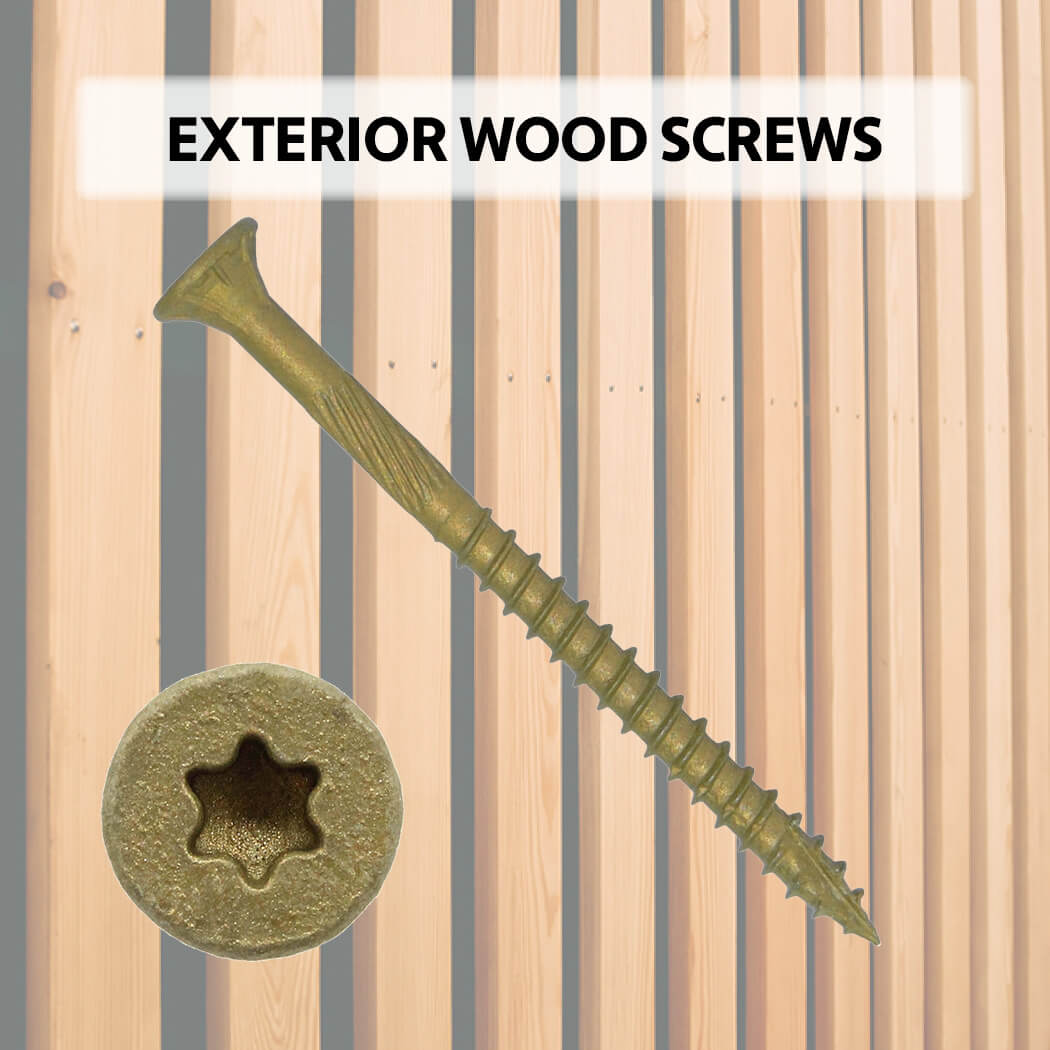
- Flat Head Wood Screws: Common in woodworking, cabinetry, decking, and general construction.
- Finishing Nails and Screws: These fasteners have small heads that can be driven below the surface and easily concealed. They are ideal for lightweight detail work where appearance is important.
- Drywall and Cement Board Screws: These screws sit slightly below the surface to prevent bumps and protrusions on the finished wall.
- Deck Screws: Flooring fasteners are countersunk to prevent tripping hazards and uneven ground.
What is a Non-Countersinking Fastener?

Benefits of non-countersinking fasteners:
- Reduced risk of pull-through
- Generally higher torque capacity
- Superior weather and element protection
Common Non-Countersinking Fasteners
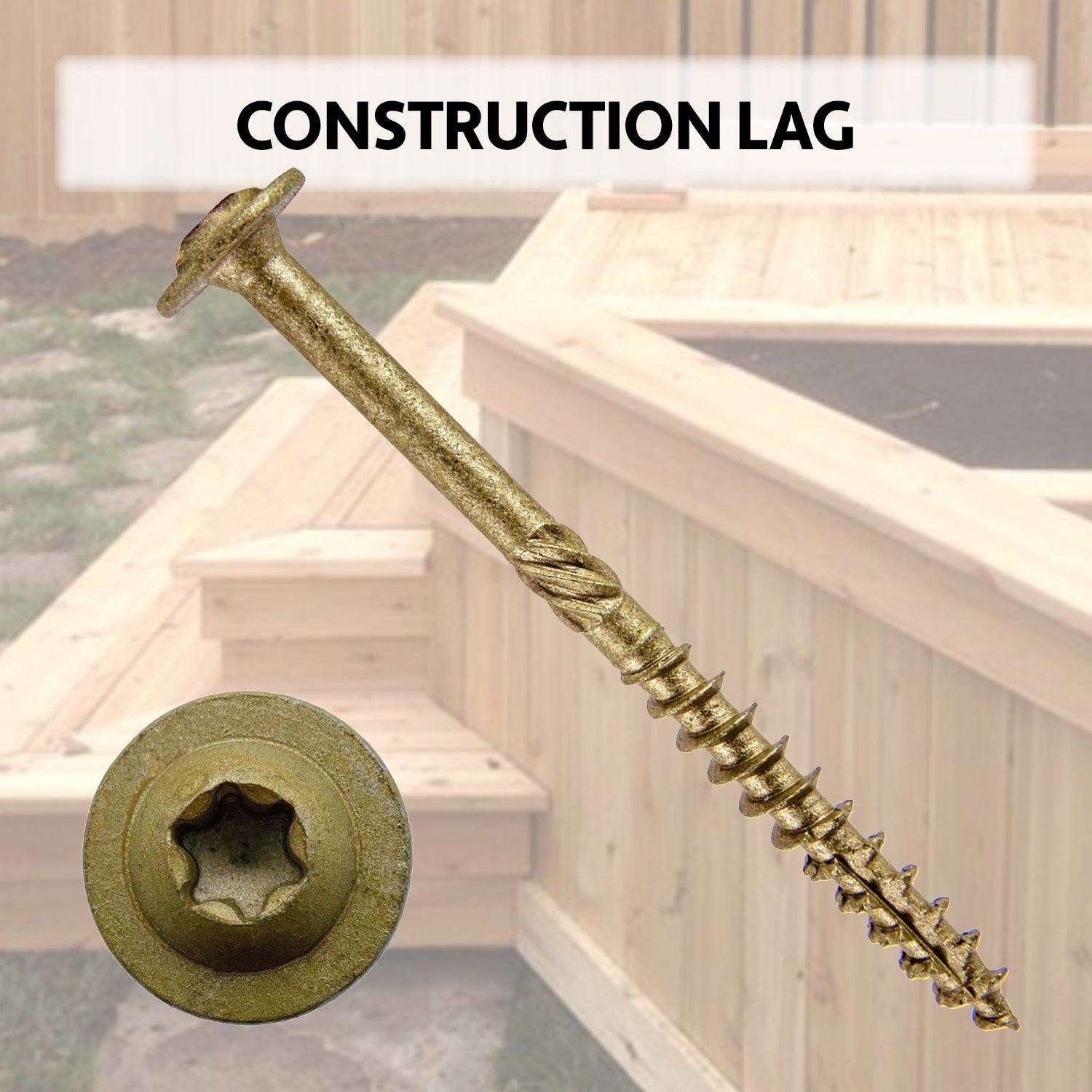
- Construction Lag Screws: The modified truss head and Torx drive design on these screws allows for high levels of torque and strong connections.
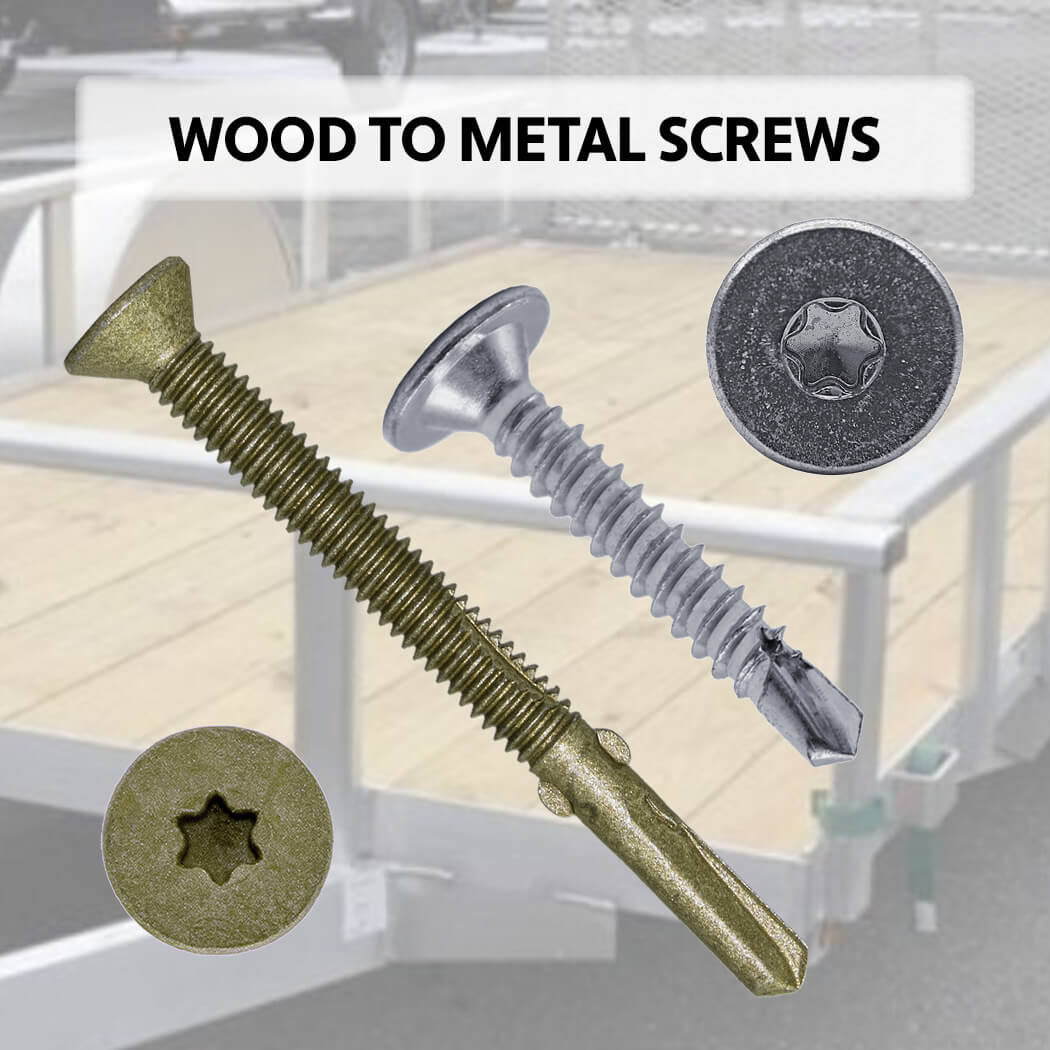
- Roofing Screws: Metal roofing screws typically have external hex heads that compress weather-resistant washers to create a tight seal.
- Common Nails: Used in general construction and framing, common nails have wide, flat heads that remain visible after installation.
- Timber Screws: Log and timber screws have heavy-duty hex washer heads that allow for high torque and increased holding power.
Countersinking vs. Non-Countersinking Fasteners: Which Type Should You Use?
The best fastener to use, including whether it is countersinking or non-countersinking, depends on the specific project requirements.
- Use countersinking fasteners when a smooth finish is important to minimize hazards or create an even surface. These fasteners are great for decking, furniture assembly, and trim work.
- Use non-countersinking fasteners when you need maximum holding power or tight seals at connections. These fasteners are great for heavy-duty structures, roofing, and metal applications.
| Comparison of Key Features | ||
|---|---|---|
| Property | Countersinking Fasteners | Non-Countersinking Fasteners |
| Head Position | Flush or below the surface | Above the surface |
| Appearance | Smooth finish | Visible fastener head |
| Common uses | Drywall, flooring, trim and detail work | Roofing, structural connections, high-tensile joints |
Read our other blog articles to learn more about fastener design and usage. If you need further assistance finding the right hardware for your project, don't hesitate to call our experts at (406)752-5253 or send us an email at tom@jakesales.com.
FAQ
What is the difference between countersinking and non-countersinking fasteners?
The difference between countersinking and non-countersinking fasteners is the head design. Countersinking fasteners sink into material to sit flush with the surface, and non-countersinking fasteners protrude above the surface after installation.
Do you need to countersink every screw?
No. Non-countersinking fasteners are not intended to be driven past the surface. Doing so can interfere with load distribution and reduce holding power.
When should I use a countersinking fastener?
Countersinking fasteners are ideal for applications that require a smooth final appearance. Common uses are finish and detail work, flooring, and furniture assembly.
What is the best head style for structural screws?
The non-countersinking external head head offers ultimate torque capacity for heavy-duty structural applications.