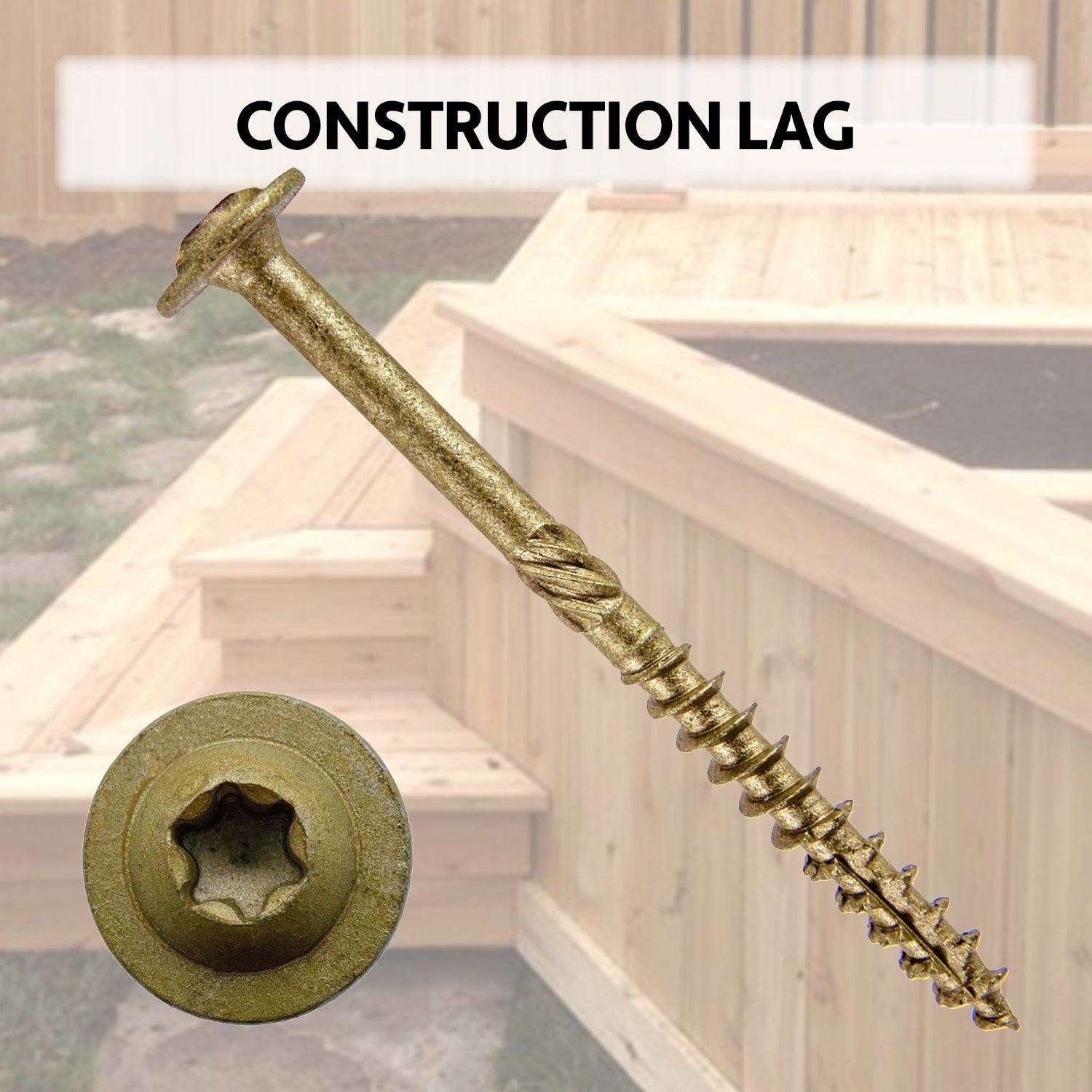
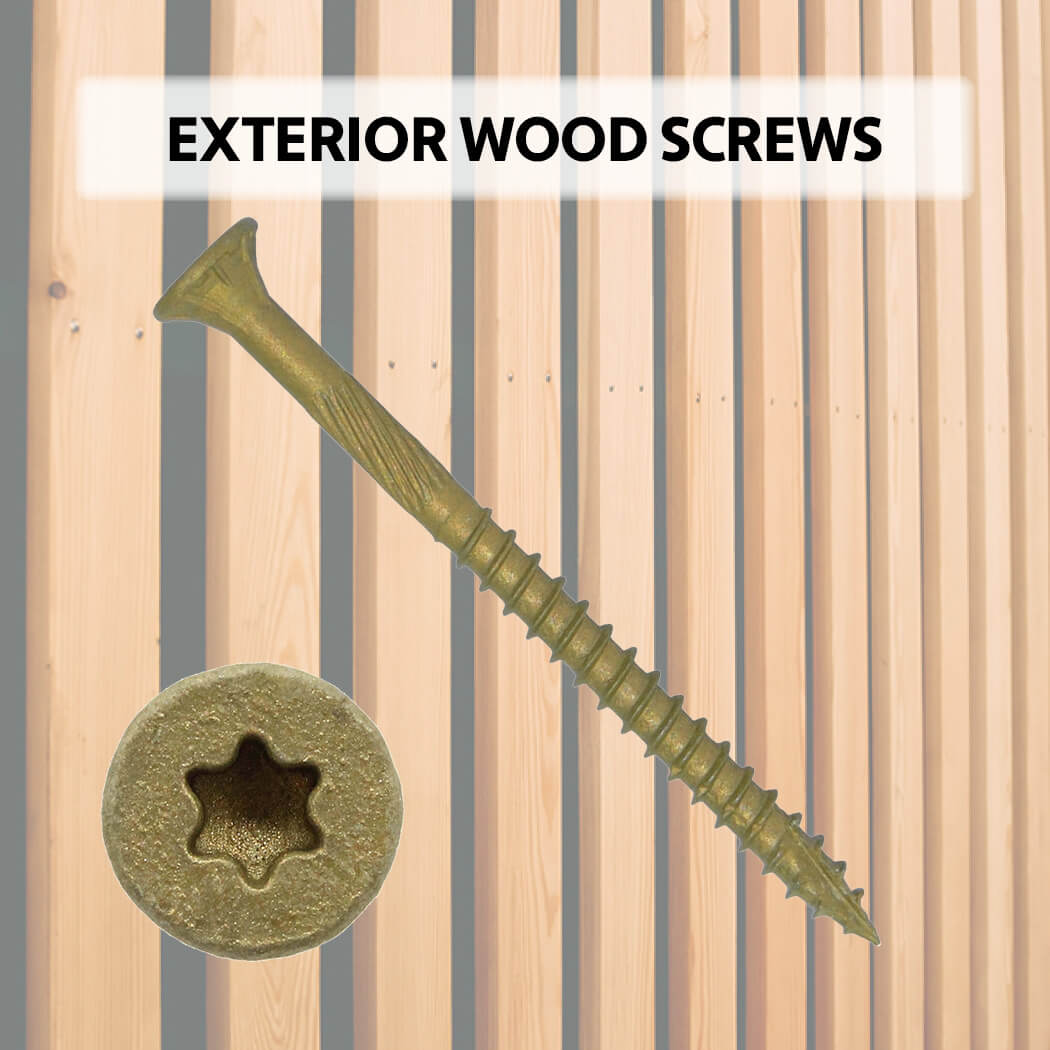
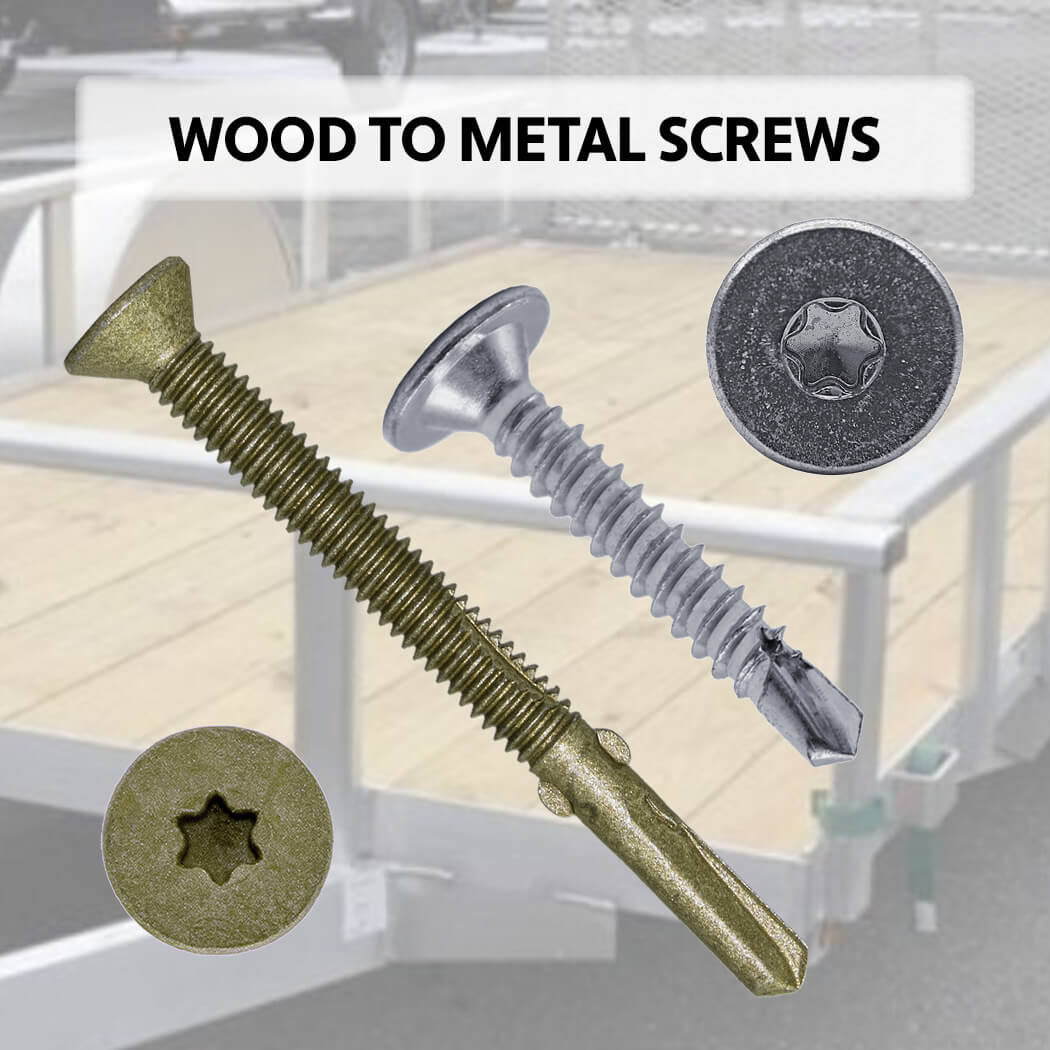
Each nail has a unique shank, head, material, and size. Every feature affects how the fastener functions.
Using the right nail is crucial to building a successful project that holds up over time. There are several key design features to understand when selecting nails:
- Shank type (smooth vs. ring) impacts holding power
- Head type (flat vs. waffle vs. trim) affects appearance and holding power
- Material and coating determine coating resistance
- Size (length and gauge) determines strength and fit
This nail guide breaks down each component of a nail's anatomy so you can confidently choose the right fastener for your project.
Nail Shank: Smooth or Ring
The nail shank is the shaft of the fastener—what stands between the nail head and the point. The shank affects how the nail penetrates and grips material, and it is one of the most important factors to consider for holding strength.
The two most common shank designs are smooth shank and ring shank.
Smooth Shank
The design of a smooth shank nail is exactly how it sounds: smooth. There are no grooves or threading on the nail shaft, so it can be easily driven into most surfaces.
Smooth shank nails are highly versatile and can be used for framing, siding, finishing, and more. However, they are not recommended for roofing, beaming, or high-tensile applications. If you need superior holding power, consider using a ring shank nail instead.
Ring Shank

Nail Head: Flat, Waffle, or Trim
The nail head determines how the fastener sits in the material, affecting final appearance and holding power. The most common nail heads are flat heads, waffle heads, and trim heads.
Flat Head Nails


Trim Head Nails
Trim head nails have small, low-profile heads that are designed to sit flush with or just below the wood surface. This feature, called countersinking, makes them easy to conceal, which is why they are commonly used in finish and detail work where appearance matters.
Two of the most common trim head nails are finish nails and brad nails.
Finish Nails vs. Brad Nails
Brad nails are among the thinnest nails used in woodworking, typically 18-gauge. They have a very small head, limiting the visible marks they leave. Brad nails are best for thin trim, decorative pieces, and small woodworking projects.
Finish nails are thicker than brad nails but still have a small head, so they provide more holding power with a relatively clean finish. Finish nails are best for baseboards, molding, trim, furniture, and cabinetry.

Materials and Coatings—What Does Your Environment Need?
Your environment determines how much corrosion protection you need on your fasteners. Metal composition and any protective coatings affect how the fastener holds up with exposure to the elements.
The most common and affordable material is carbon steel, but stainless steel, aluminum, copper, and coated nails offer various levels of protection for an additional cost. Read through the different materials to find the right one for your environment.
Carbon Steel Nails
The most common nail you will find is a "bright" nail made from carbon steel with no protective coating. These nails are affordable and accessible, but they do not resist rust or corrosion. Because of this, they are not suitable for outdoor or wet environments or for use in treated lumber.
When to use carbon steel nails:
- Interior framing and construction
- Dry, climate-controlled environments
Stainless Steel Nails

Galvanized Nails
Galvanized nails are coated in zinc, which offers more protection against corrosion than plain carbon steel. There are two common variations of galvanized nails: electrogalvanized and hot-dip galvanized.
Electrogalvanized Nails
Electrogalvanized nails, also called zinc-plated nails, have a very thin layer of zinc applied through electrodeposition. This coating is smooth, visually appealing, and offers slightly more corrosion protection than uncoated nails.
When to use electrogalvanized nails:
- Interior construction
- Dry outdoor environments
Hot-Dip Galvanized Nails
Hot-dip galvanized nails are dipped into molten zinc, coating them in a thick layer that protects against corrosion. These nails are more resistant to rust, wood staining, and premature fastener failure than electrogalvanized or uncoated nails, so they are a good option for many outdoor projects.
When to use hot-dip galvanized nails:
- Outdoor construction
- Treated lumber
Vinyl-Coated Nails
Vinyl-coated nails have a thin polymer layer on the surface, which acts as both a lubricant and an adhesive on the fastener. The coating allows the nail to be easily driven into the wood, then heats up during insertion and grips the material for increased holding power. Vinyl-coated nails have little resistance to corrosion, but they are less likely to pull out than uncoated nails, making them ideal for indoor, high-tensile applications.
When to use vinyl-coated nails:
- Framing and interior construction
- Subfloor installation
Nail Size: Understanding Length and Gauge
Nail size is defined by two key factors: length and diamater (gauge). Length determines holding depth, and gauge determines strength and splitting risk.
Nail Length
Nail length is measured in inches or by the traditional "penny" system (d). While there is not a simple formula to convert penny sizes to inches, there are standardized equivalents for each penny length. Use the conversion chart below to find the corresponding penny size and inch length.
| Nail Length Conversion Chart | |
|---|---|
| Penny Size | Inch Equivalent |
| 2d | 1" |
| 3d | 1-1/4" |
| 4d | 1-1/2" |
| 5d | 1-3/4" |
| 6d | 2" |
| 7d | 2-1/4" |
| 8d | 2-1/2" |
| 9d | 2-3/4" |
| 10d | 3" |
| 12d | 3-1/4" |
| 16d | 3-1/2" |
| 20d | 4" |
| 30d | 4-1/2" |
| 40d | 5" |
| 50d | 5-1/2" |
| 60d | 6" |
| 70d | 7" |
| 80d | 8" |
Your nail should be at least 2-3 times the thickness of the material being fastened to ensure a proper hold.
Nail Gauge
Nail gauge refers to the diameter of the nail shank. For nails, gauge is measured on a reverse scale:
- Lower gauge number = thicker nail with more strength and resistance to bending.
- Higher gauge number = thinner nail with reduced risk of splitting material.
Choosing the Right Nail for the Job
Selecting the right nail comes down to understanding how each feature of the fastener works together. There's no one-size-fits-all option—each project requires the right balance of holding strength, appearance, and corrosion resistance.
To recap:
- Shank type affects holding power and grip
- Head type determines how the nail sits, affecting appearance and holding power
- Material and coating protect against rust and wear
- Size ensures proper strength and fit
Whether you're tackling a framing job, installing trim, or working on a DIY project, understanding these basics will help you get more reliable results every time. Take a look at the chart below for a final overview of each nail feature.
| Key Nail Features | |||
|---|---|---|---|
| Design Feature | Key Characteristics | Best Uses | Holding Power |
| Smooth Shank | Easier insertion and removal | General construction | Standard |
| Ring Shank | Superior holding strength | High-tensile, load-bearing applications | High |
| Flat Head | Strong grip and visible appearance | Framing, structural work | High |
| Trim Head | Countersinking head gives a clean finish | Trim, detail work | Low |
| Carbon Steel (Bright) | Most affordable, no corrosion protection | Indoor, dry environments | Standard |
| Stainless Steel | Best corrosion resistance | Outdoor, high-moisture environments | Standard |
| Hot-Dip Galvanized | Thick zinc coating, high corrosion resistance | Outdoor, treated lumber | Standard |
| Vinyl-Coated | Little corrosion resistance, adhesive surface | Framing, general construction | High |
| Thick Shank (Low Gauge) | Strong shear strength | Structural work, soft woods | High |
| Thin Shank (High Gauge) | Less likely to split delicate materials | Finish work, hard woods | Low |
If you have additional questions about fasteners or need help finding the right hardware for your projects, don't be afraid to give our friendly experts a call at (406)752-5253 or send us an email at tom@jakesales.com.