Shear forces slide against the fastener body, and tensile forces pull it apart. Learn how screws, bolts, and nails resist external stress... or fail under pressure.
Fasteners may be exposed to several types of stress depending on how and where they are installed. Using a fastener that withstands the external forces applied to them will help you build a lasting and secure project. Depending on the design of your project, fasteners may experience greater shear stress, tensile stress, or a combination of both.
This article explains the difference between shear strength and tensile strength in fasteners, common applications for each kind of stress, and how various fastener materials and design features can improve resistance to these forces.
Shear Strength

Examples of Shear Strength Applications![]()
Common applications where fasteners primarily experience shear stress include:
- Shelf brackets and wall-mounted supports
- Hanging items on vertical walls
- Deck ledgers and framing connections
- Fence gate hinges, latches, and other hardware
- Rain gutters
Fastener Features that Improve Shear Strength

A fastener's shear performance depends on factors such as material, diameter, heat treatment, and the amount of unthreaded shank present in the shear plane.
Fastener options commonly chosen for strong shear performance include:
- Bolts or screws with long unthreaded shanks
- Structural screws designed for lateral loads
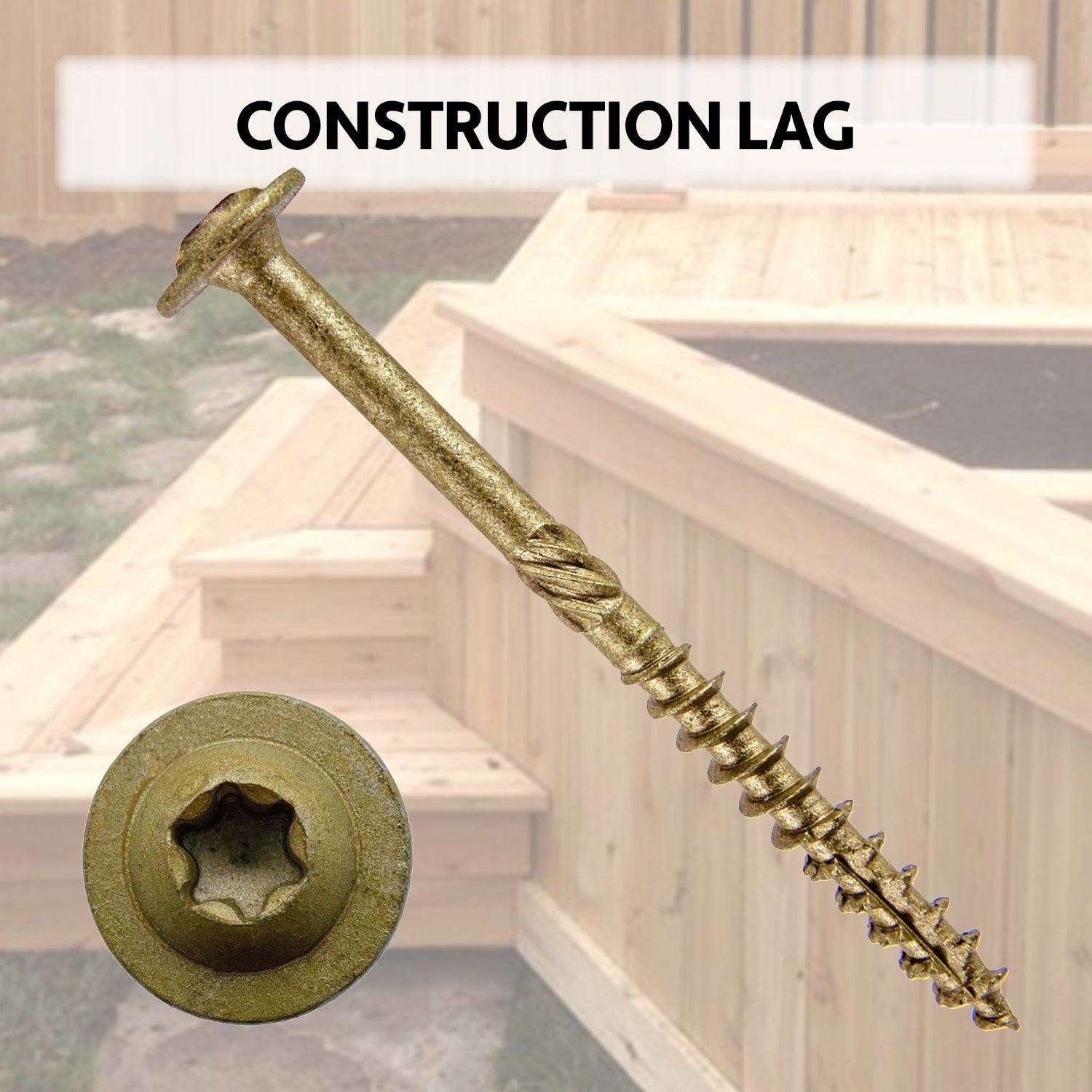
- Lag screws, ledger screws, and heavy-duty timber screws
- Structural nails
- Nails are not typically heat-treated, which allows them to bend in the shear plane rather than break.
- Larger shank diameter fasteners
Additionally, gaps between materials increase the risk of shearing the fastener. For optimal security, ensure your materials are snug against each other.
Tensile Strength

Examples of Tensile Strength Applications
Common applications where fasteners primarily experience tensile stress include:
- Suspended or hanging elements
- Ceiling-mounted fixtures
- Structural anchors
- Deck railing connections
Fastener Features that Improve Tensile Strength

Optimize Fastener Strength
While every fastening application is different, certain fastener features typically improve shear strength, tensile strength, or both. It's important to understand the structural needs of your project so you can select fasteners that will provide a secure connection.
The chart below compares how common fastener materials and design features generally affect resistance to shear and tensile stresses.
| Fastener Features & Strength Impact | ||
|---|---|---|
| Fastener Feature | Relative Shear Strength | Relative Tensile Strenth |
| Mild/Low-Carbon Steel | Low | Low |
| Alloy Steel | Moderate to High | Moderate to High |
| Stainless Steel | Moderate | Moderate |
| Titanium | High | High |
| Aluminum | Low | Low |
| Small Diameter Shank | Lower | Little Effect |
| Large Diameter Shank | Higher | Little Effect |
| Long Shank | Little Effect | Higher |
| Short Shank | Little Effect | Lower |
| Smooth, Unthreaded Shank | High | Low |
| Coarse Thread | Low | High in Wood Applications |
| Fine Thread | Moderate | High in Metal Applications |
| Vinyl Coatings | Little Effect | Higher |
A fastener's performance depends on multiple factors, and it's best to consult the manufacturer's specifications if you need exact values. The chart above offers general trends among materials and features, not precise measurements.
In addition to fastener design, external factors affect how a fastening withstands stress. These factors may include:
- Insertion flaws that weaken a joint, such as:
- Overtightening
- Improper placement
- Split material
- Gaps between material
- Exposure to moisture, temperature changes, or chemicals can cause premature failure by corroding the fastener.
- Excessive load cycles or vibration can cause fastener fatigue.
- Structure material density—denser materials help increase holding strength.
When you understand shear stress, tensile stress, and how they affect fastening applications, you can successfully choose a fastener that optimizes the strength needed for your project, ensuring a secure and long-lasting result.
At Jake Sales, we want to make sure you have what you need to get the job done right. We take pride in providing high quality, durable hardware to our customers, and we're always happy to help where we can. If you need assistance finding the right hardware for your project, don't hesitate to contact our friendly experts at (406)752-5253 or send us an email at tom@jakesales.com.

FAQ
What's the difference between tensile strength and shear strength?
While both tensile strength and shear strength refer to how well a fastener resists damage or deformation from external forces, the type of stress they counteract differs. Tensile strength resists forces that pull the fastener apart along its length. Shear strength resists sideways forces that slide against the fastener body.
Is shear strength or tensile strength more important?
Whether a fastener experiences greater shear stress or tensile stress depends on the project design and fastener placement. You should use fasteners that optimize strength against the forces they experience particular to their usage.
How do I know if a fastener is relying on shear strength or tensile strength?
To determine which kind of stress is acting on your fastener, check the direction of the force relative to the fastener. If the force is pulling perpendicularly to the fastener body, the joint is primarily experiencing shear stress. If the force is pulling parallel to the fastener body, the joint is primarily experiencing tensile stress.
Does fastener material affect shear or tensile strength?
Yes, the metal a fastener is made of has a direct impact on both its shear strength and its tensile strength. Harder metals, such as hardened alloy steel or titanium, have higher stress capacities than soft metals, such as aluminum.
However, it is sometimes beneficial to use soft metal fasteners because they are able to flex with movement or external pressure. In some cases, it's better to have a fastener that bends instead of breaks.
When should I use a nail instead of a screw?
Nails generally perform better in shear load applications than fully threaded fasteners because they are not typically heat treated, which allows the shaft to bend when pressure is applied. Additionally, smooth shank fasteners more evenly distribute stress across the fastener body. If your fastener will experience greater shear stress and minimal tensile stress, a nail could be a good option.
Will lubricating my screws reduce tensile strength?
Lubrication can help reduce friction when driving your fasteners, thereby reducing the risk of split or damaged materials. Lubricating your fastener will not affect its tensile strength, but it may make installation easier. For added convenience, most Jake Sales screws are precoated in wax to help save time and effort during installation.