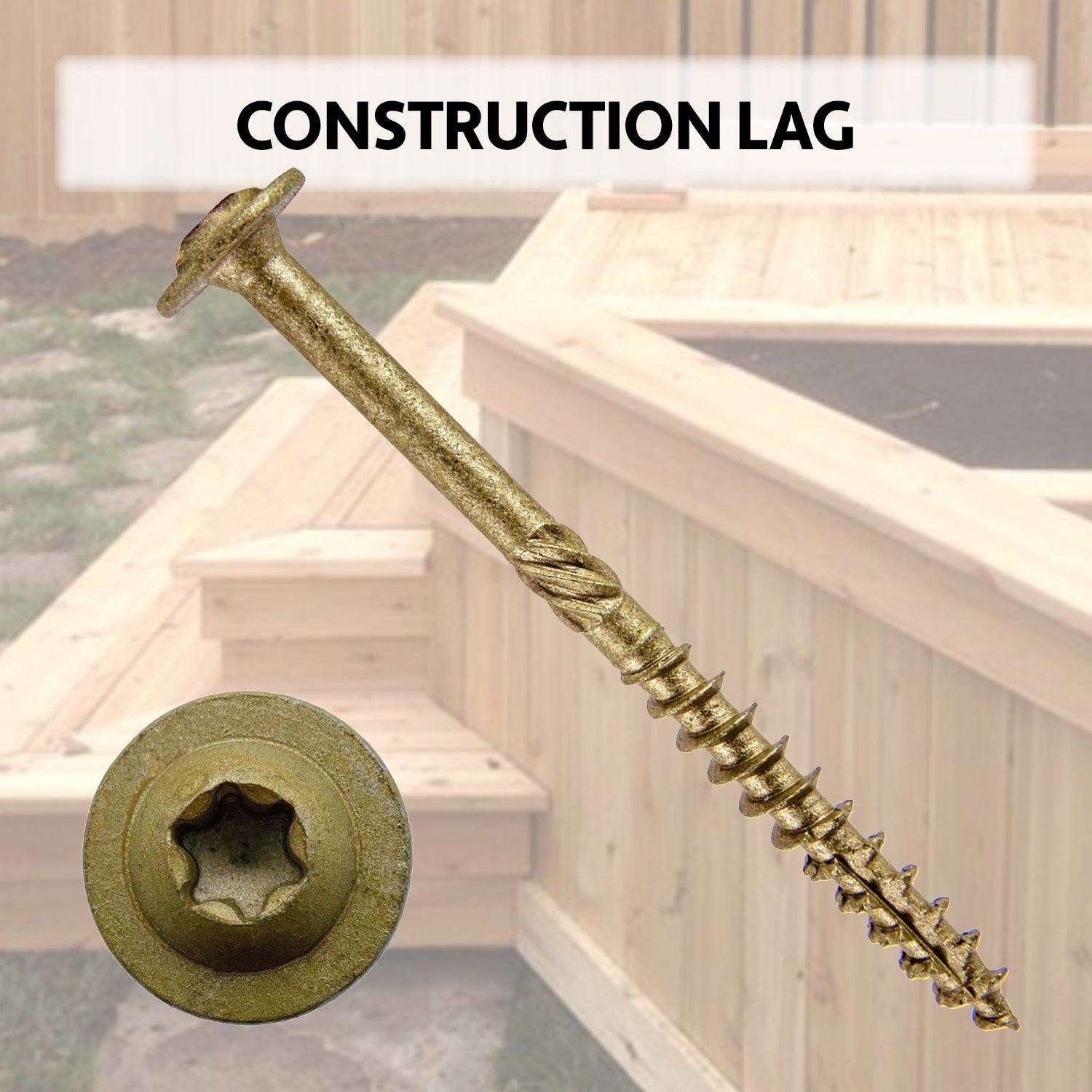
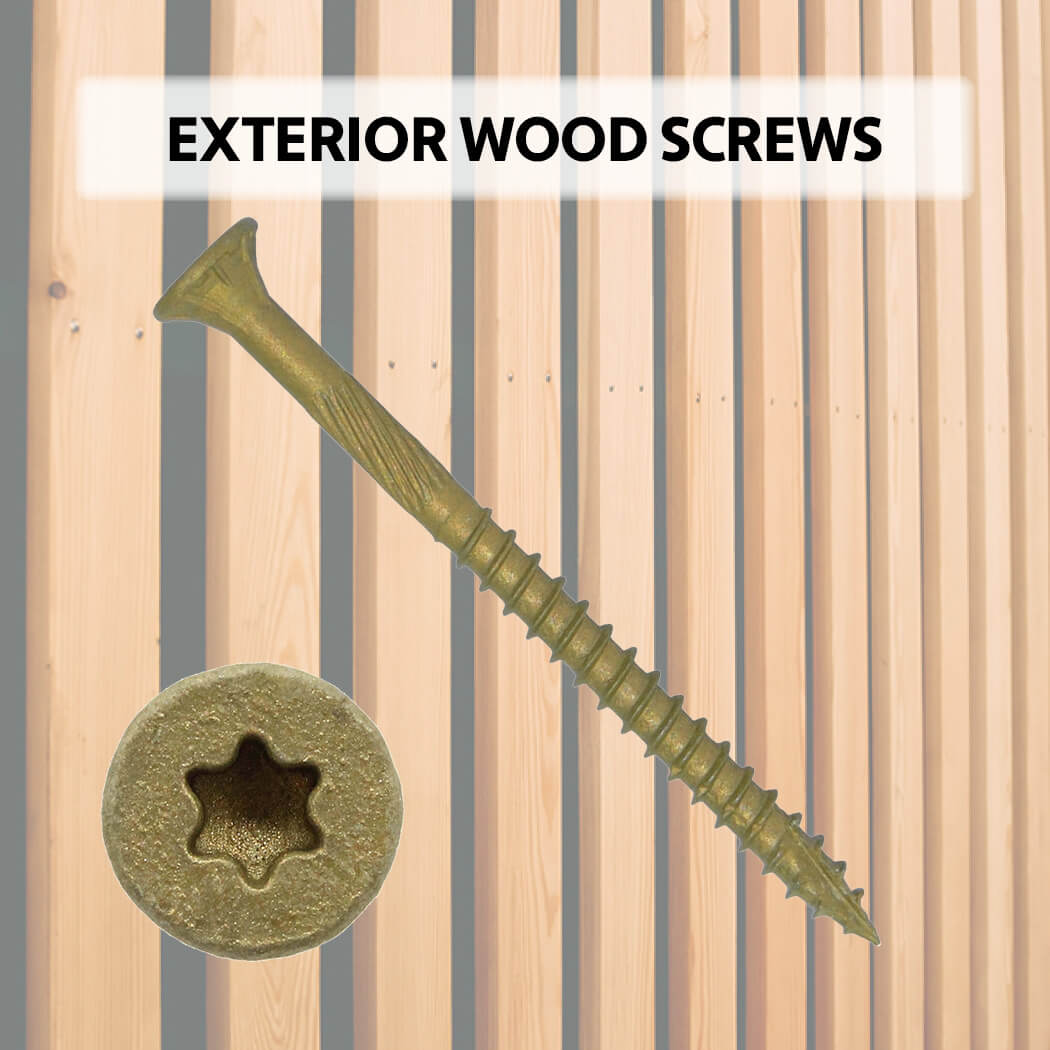
Choosing the right screw is about more than length, diameter, or material. The screw's point determines how easily it starts, whether it requires pre-drilling, and what materials it should be used in.
Terms like self-starting, self-tapping, and self-drilling are often used interchangeably, but they describe different features. Understanding the differences between these screw points will help you select the right fastener for wood, metal, and composite construction projects. This guide to screw points covers the essential information about each design so you can choose the right fastener for your material and project.
What is a Self-Starting Screw?

All wood screws on jakesales.com are self-starting, so you can easily find the materials you need and get started on your project.
When to Use a Self-Starting Screw
Self-starting screws are ideal when quick driving is important, you're installing many screws, or you want to reduce slippage. They are great for many general wood construction projects and use in soft materials, but they are not recommended for fastening metal.
Self-starting screws are used in projects such as:
- Wood framing
- Deck construction
- Fence building
- Furniture assembly
- Cabinet installation
- General woodworking
What is a Self-Tapping Screw?

When to Use a Self-Tapping Screw
Self-tapping screws are ideal when:
- A pilot hole already exists
- You need strong holding power
- You're assembling metal components
Self-tapping screws are commonly used for sheet metal, plastic, or PVC projects. Keep in mind that these screws create threading in metal; they are not intended to drill through metal.
What is a Self-Drilling Screw?

When to Use a Self-Drilling Screw
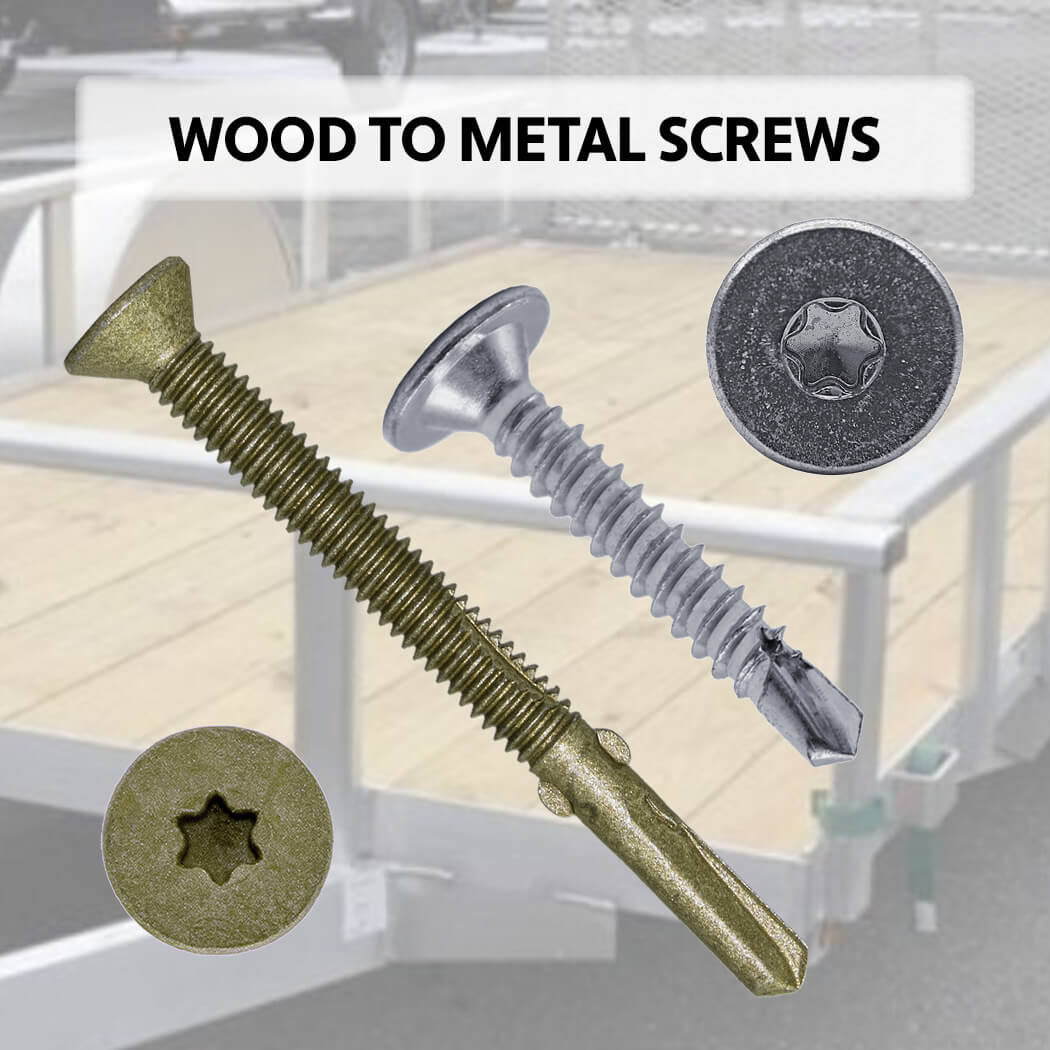
Self-drilling screws do not require a pilot hole, so they're ideal for applications where fast installation is necessary or hundreds of screws will be installed.
Self-drilling screws are used in metal-to-wood and metal-to-metal applications such as:
- Metal roofing & siding
- Steel buildings, structural steel, and metal framing
- Pole barns
What's the Difference Between Screw Points?
Although "self-starting," "self-tapping," and "self-drilling" sound similar, these screw types each have different functions. Some screws may have multiple functions to be both self-starting and self-tapping.
| Screw Point Comparison Chart | |||
|---|---|---|---|
| Feature | Self-Starting Screws | Self-Tapping Screws | Self-Drilling Screws |
| Starts easily without walking | Yes | Sometimes | Yes |
| Cuts its own threads | Yes | Yes | Yes |
| Drills its own hole | No | No | Yes |
| Requires pilot hole | Sometimes | Yes | No |
| Fast installation | Good | Better | Best |
| Best for wood | Yes | Sometimes | Rarely |
| Best for sheet metal | Sometimes | Yes | Yes |
| Best for structural metal | No | No | Yes |
Which Screw Should You Use?
The best screw depends on the material and application it is being used in. The following are some common projects and the fasteners you might use for each one:

General Recommendations
Use a self-starting screw if you're working primarily with wood, faster starts are most important, and you already have pilot holes.
Use a self-tapping screw if you're fastening sheet metal, strong thread engagement is important, and you already have pilot holes.
Use a self-drilling screw if you're fastening metal-to-metal or metal-to-wood, you don't have pilot holes, and installation speed is most important.
Find the hardware you need without a hassle—self-starting, self-tapping, and self-drilling screws in various sizes and materials are available now at JakeSales.com.
FAQ
Is every self-drilling screw also self-tapping?
Yes. A self-drilling screw drills its own hole and then taps threads as it is driven. However, not all self-tapping screws are self-drilling, meaning they may require a pilot hole before installation.
Do self-starting screws need a pilot hole?
Sometimes. Many self-starting wood screws can be driven directly into softwoods, but hardwoods and large-diameter screws may need a pilot hole to reduce splitting and driving torque.
What is a Type-17 point?
A Type-17 point has a small slot in the screw tip that removes wood fibers as the screw is driven. This reduces splitting, lowers driving resistance, and makes the screw self-starting by allowing it to grip materials easier.
Can self-drilling screws be used in wood?
Yes, but it's not typically necessary. Self-drilling screws are most commonly used when fastening metal.
What is the advantage of self-drilling screws?
Self-drilling screws combine drilling, tapping, and fastening into a single operation, reducing installation time and labor.