Pressure-treated lumber protects outdoor structures from decay and insects, but it requires special fasteners to prevent corrosion and fastener failure.
When building an exterior project such as a deck, stairs, or fence, pressure-treated lumber helps extend the life of the structure by protecting it from decay and insects. However, it requires certain fasteners to prevent premature corrosion and damaged connections. Fortunately, choosing the right fasteners for pressure-treated wood is relatively simple: use corrosion-resistant fasteners approved for the specific type of treated lumber and application.
What is Pressure-Treated Lumber?
Pressure-treated lumber is wood that has been infused with chemical preservatives to protect it from decay, fungi, and wood-eating insects. It's not just a surface coating; the treatment is forced deep into the wood under pressure so that the preservatives fully penetrate the lumber. The most common chemical treatment of outdoor lumber is the copper-based compound alkaline copper quaternary (ACQ). Most exterior fasteners are designed specifically for use in ACQ-treated wood.
Pressure-treated wood typically has a greenish tint, although color varies depending on the treatment used. Chemically-treated lumber should not be burned. The lumber can release chemicals into smoke and ash if used as firewood.
Ground-Contact vs. Above-Ground Pressure-Treated Lumber
There are varying grades of pressure-treated lumber, and not all types are designed for the same conditions. When selecting lumber for an outdoor project, check the tag to determine whether it is rated for above-ground use or ground-contact.

Why Does Pressure-Treated Wood Require Special Fasteners?
The preservatives that protect pressure-treated lumber can increase the risk of fastener corrosion if the wrong materials are used. Copper-based preservatives in particular can react with certain metals, causing screws, nails, and other metal hardware to corrode more quickly. This is why it's important to use the right fasteners when working with pressure-treated wood.
When choosing fasteners for pressure-treated lumber, look for products approved for the material you're installing. Corrosion-resistant fasteners that meet applicable building codes are needed for exterior projects.
How Pressure-Treated Lumber Reacts with Metals
When an unprotected metal fastener is used in treated wood, moisture and chemical preservatives can react to accelerate corrosion. This can weaken the connection and cause premature fastener failure.
For successful connections, use corrosion-resistant screws and nails for decks, fences, and other outdoor structures built with pressure-treated wood. Exact fastener requirements depend on the preservative used, weather exposure, and application. Refer to manufacturer recommendations and building codes to find the right fastener for pressure-treated lumber.
Fasteners That Work in Pressure-Treated Lumber
The best fasteners for pressure-treated wood are corrosion-resistant screws and nails approved for the specific application. Common pressure-treated fastener options are hot-dip galvanized and stainless steel.
Hot-Dip Galvanized Screws & Nails

Stainless Steel Screws & Nails

Other Corrosion-Resistant Coatings
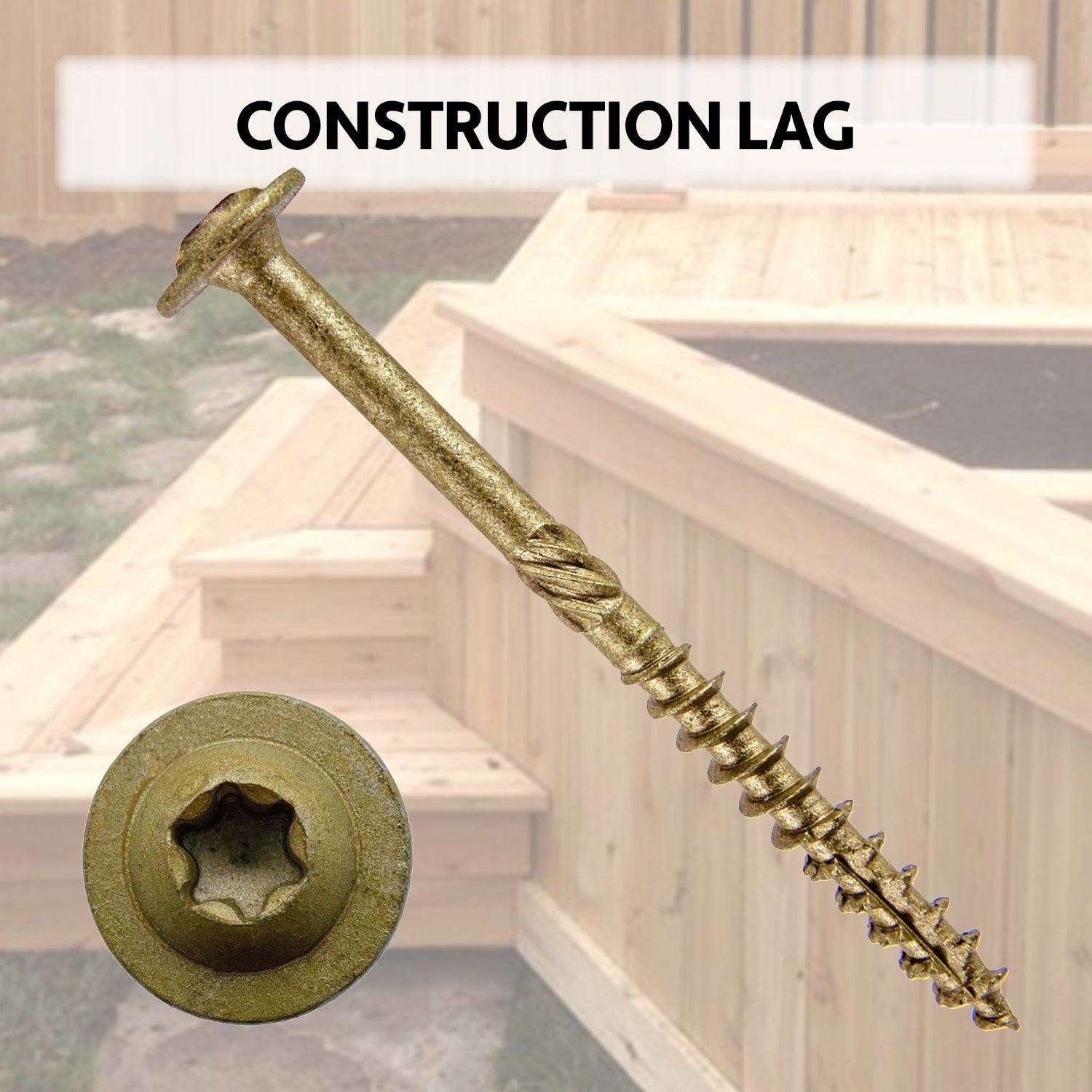
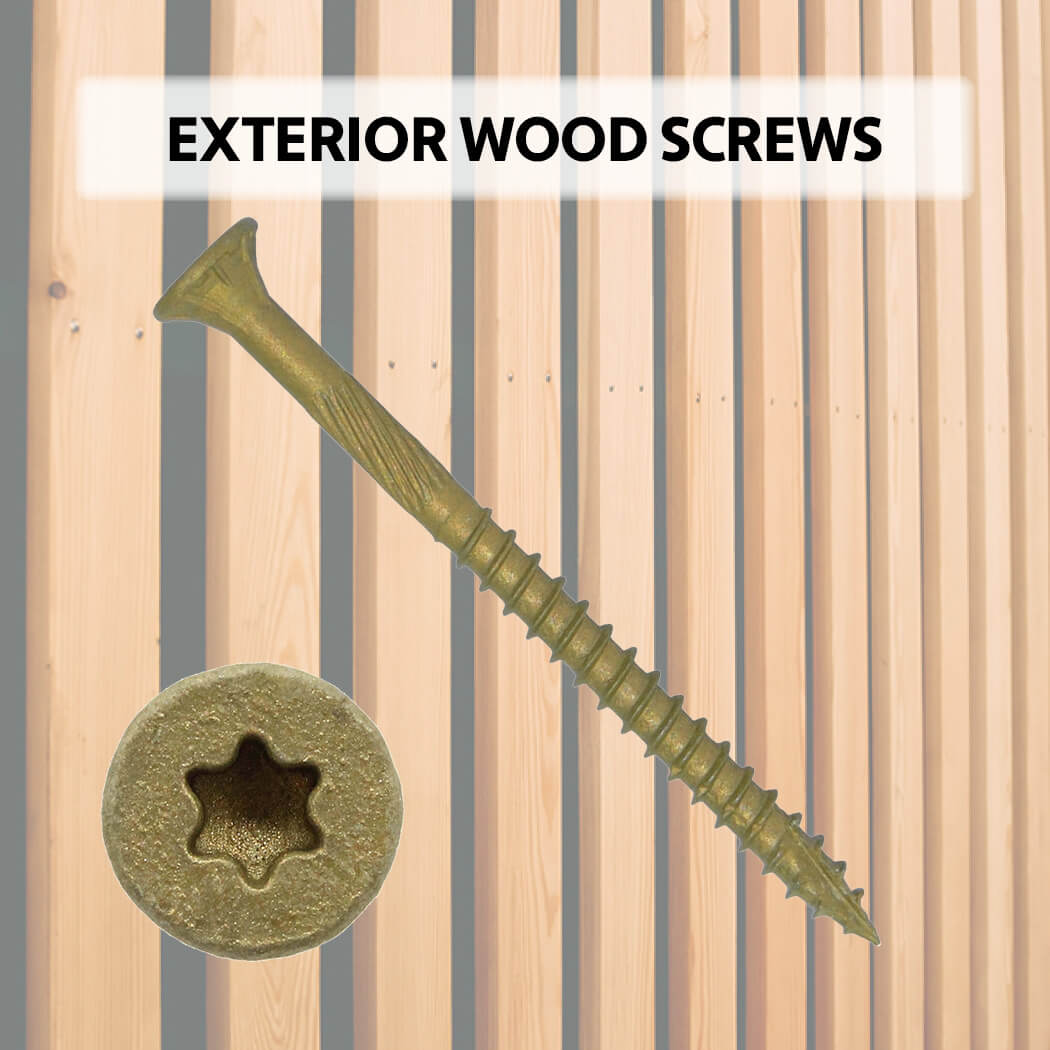
Some fasteners have unique coatings designed specifically for exterior or pressure-treated wood applications. These can be strong alternatives if the coating has been thoroughly tested for compatibility with treated lumber.
Don't choose a fastener based solely on the word "coated" or "exterior." Check manufacturer's specifications to make sure fasteners are compatible with ACQ-treated lumber before using in pressure-treated wood.
How to Fasten Pressure-Treated Lumber
Follow these steps to successfully fasten pressure-treated wood:
- Choose the right fastener — Select a corrosion-resistant screw, nail, or other fastener approved for the specific treatment and application.
- Select the correct fastener length — The fastener should be long enough to hold materials securely without penetrating through the material.
- Predrill when appropriate — Predrilling can help prevent splitting and stripped screws, particularly when driving screws near the edges of boards.
- Drive screws properly — Drive screws until the head is properly seated, and avoid overdriving fasteners below the surface of the wood.
Common Mistakes When Fastening Treated Wood

Tips for Long-Lasting Connections
Strong connections in pressure-treated lumber require well-matched fasteners to the project environment and material, proper installation technique, and quality protection on woods and metals alike.
For reliable connections on outdoor projects, avoid the common mistakes outlined above, follow good installation practices, and choose corrosion-resistant fasteners designed for pressure-treated wood. Shop hot-dip galvanzied, stainless steel, and heavy-duty structural fasteners at JakeSales.com.
FAQ
Can you use regular screws in pressure-treated wood?
Standard or uncoated screws are not typically suitable for pressure-treated wood. Use corrosion-resistant fasteners approved for pressure-treated lumber, such as hot-dip galvanized or stainless steel fasteners.
Why does pressure-treated wood corrode screws?
Many pressure-treated woods use copper-based preservatives, which accelerate the corrosion of certain metals in the presence of moisture. Using corrosion-resistant fasteners helps prevent premature fastener failure.
Should you predrill pressure-treated wood?
Predrilling is not always required, but it can help reduce the risk of splitting the wood and make screw installation easier.
What are the best screws for pressure-treated wood?
Corrosion-resistant screws specifically approved for the treated lumber and application are best for pressure-treated wood. Hot-dip galvanized and stainless steel screws are common choices, while stainless steel is preferred in particularly wet or corrosive environments.
What are the best nails for pressure-treated wood?
Use corrosion-resistant nails approved for pressure-treated lumber, such as hot-dip galvanized or stainless steel nails. The right nails should be compatible with the wood treatment, application, weather exposure, and building codes.