A
- ACQ (Alkaline Copper Quaternary): A wood preservative used in pressure-treated lumber. ACQ-treated wood is corrosive to many metals, requiring compatible fasteners such as hot-dip galvanized or stainless steel.
- Allen: A hexagonal internal drive requiring an Allen wrench or hex key.
- Alloy: A metallic substance made by blending two or more elements that is typically harder or more corrosion-resistant than pure metals.
- Aluminum: A lightweight, corrosion-resistant metal used in some fasteners and washers.
- Anchor: A fastener designed to secure objects into concrete, masonry, drywall, or hollow materials.
- Anodic Materials: Active metals such as zinc and aluminum that are prone to galvanic corrosion and often used in coatings to protect the material below.
B
- Backing Out: Fasteners withdrawing from a material.
- Bearing Surface: The area where a fastener head contacts material to transfer load.
- Bolt: A flat-tipped fastener with helical threads, often used with a threaded nut.
- Brass: A copper-zinc alloy known for corrosion resistance and decorative appearance.
- Bright: A finish with little or no protective coating, giving the metal a bright, shiny appearance.
- Brittleness: A material's likeliness to break, split, or shatter under stress.
- Bronze: A corrosion-resistant copper-based alloy often used in marine applications.
C
- Calipers: A measuring tool used to determine diameter, thickness, and length.
- Cam Out: When a driver bit slips out of the recess during installation.
- Carbide: A compound made of metal and carbon that is extremely hard and heat-resistant.
- Carbide Bit: A drill bit tipped with carbide for drilling hard materials.
- Carbon: An element commonly used in steel alloys to increase strength and hardness.
- Carbon Steel: Steel primarily composed of iron and carbon.
- High-Carbon Steel: Steel with a high carbon content that is extremely hard and brittle.
- Low-Carbon Steel: Steel with a low carbon content that is softer and more flexible.
- Carriage Bolt: A bolt with a smooth, domed head and a square neck, usually used with a nut to connect materials.
- Cathodic Materials: Metals that are less reactive and resist galvanic corrosion, such as stainless steel, titanium, brass, and copper.
- Cement Board: A cement-based panel used under tile and exterior finishes.
- Clamping Force: The compressive force created when a fastener is tightened.
- Coating: A layer of material applied to the surface of a fastener.
- Ceramic Coating: A corrosion-resistant coating often applied to exterior fasteners.
- Duplex Coating: A combination of hot-dip galvanizing and a paint or powder coating.
- Nano Coating: An ultra-thin protective coating that improves corrosion resistance.
- Vinyl Coating: A polymer coating that improves driving ease and holding power.
- Zinc-Aluminum Coating: A dual coating that protects against galvanic corrosion and heat damage.
- Collated Nails: Rows of nails joined together in strips or coils for use in nail guns.
- Common Nail: A standard nail with a thick shank and flat head used in framing and general construction.
- Concrete Screw: A screw designed to anchor connections in concrete.
- Composite: A material made from two or more components, such as composite decking.
- Connection: The joint formed by two or more materials fastened together.
- Copper: A soft, highly conductive, and corrosion-resistant metallic element.
- Corrosion: The deterioration of metal due to chemical or environmental exposure.
- Galvanic Corrosion: Corrosion caused by contact between incompatible metals along with moisture or saltwater.
- Countersinking: Driving a fastener to sit flush or below the surface after installation.
- Countersinking Fastener: A fastener with a head designed to sink into material.
- Non-Countersinking Fastener: A fastener with a head designed to sit above the surface.
D
- Deck Screw: A coarse-thread screw designed for use in composite decking.
- Deformation: Change in shape caused by stress or load.
- Elastic Deformation: Temporary change that resolves when stress is removed.
- Plastic Deformation: Permanent change that cannot be reversed.
- Density: Mass per unit volume of a material.
- Diameter: The width of a fastener measured across its widest section.
- Major Diameter: The outside diameter measured across thread crests.
- Minor Diameter: The diameter measured between thread valleys.
- Drag: Resistance encountered while driving a fastener.
- Drill: A tool used to create pilot holes or drive fasteners.
- Drill Point: A fastener point designed to drill its own hole during installation.
- Drive: The feature on the head used to apply torque and install the fastener.
- Phillips Drive: A cross-shaped drive style.
- Slotted Drive: A single-slot drive style.
- Star Drive: A six-lobed drive design commonly called Torx.
- Square Drive: A four-sided drive recess, also called Robertson.
- Driver: The tool that delivers torque or impact to insert a fastener.
- Drywall Screw: A countersinking screw designed to hold lightweight materials.
- Ductility: A material's ability to stretch and bend permanently under stress.
E
- Elasticity: A material's ability to return to its original shape after being deformed under stress.
- EPDM (Ethylene Propylene Diene Monomer): A durable synthetic rubber commonly used in sealing washers for metal roofing screws.
- Exterior Fasteners: Designed to withstand weather exposure in outdoor environments.
F
- Failure: Loss of a fastener's ability to perform as intended.
- Fatigue Failure: Failure caused by gradual weakening from repeated loads.
- Fastener: Hardware used to join two or more objects together.
- Finish Nails: Small-headed nails designed for trim and finish carpentry.
- Framing: The structural framework of a building.
- Free Shipping: Available for all orders through Jake Sales within the contiguous United States.
G
- Galvanized: Coated with zinc to reduce corrosion on the fastener.
- Electrogalvanized: A thin, smooth zinc coating applied through electroplating.
- Hot-Dip Galvanized: A thicker zinc coating applied via immersion in molten zinc.
- Gauge: A numerical sizing system used for screws, nails, and wire.
H
- Hardness: A material's ability to resist deformation under stress.
- Head: The portion of a fastener that receives driving force and provides bearing surface.
- Bugle Head: A concave countersunk head commonly used on drywall and wood screws.
- Button Head: A low-profile rounded head.
- Clipped Head: A nail head with one side removed to increase capacity in collated nails.
- Flat Head: A countersunk head designed to sit flush with the surface.
- Full Head: A complete round nail head.
- Hex Head: A six-sided head driven by a wrench or socket driver.
- Pancake Head: An extra low-profile round head.
- Tapered Head: A head that gradually narrows.
- Trim Head: A small-diameter countersunk head for finish and detail work.
- Truss Head: An extra-wide low-profile head.
- Wafer Head: A broad, thin head used for sheet metal and wood applications.
- Waffle Head: A nail head with a crosshatched pattern to prevent slippage.
- Heat Treated: Strengthened through controlled heating and cooling.
- Hi-Lo Thread: A thread design with alternating high and low threads.
- Holding Power: A fastener's resistance to pull-out and movement.
I
- Impact Driver: A power tool that drives fasteners through rotational impacts.
- Interior Fasteners: Designed for indoor applications with limited moisture exposure.
J
- Joint: The point where two or more materials are connected.
K
- Knurl: Raised edges on a fastener shaft designed to facilitate installation.
L
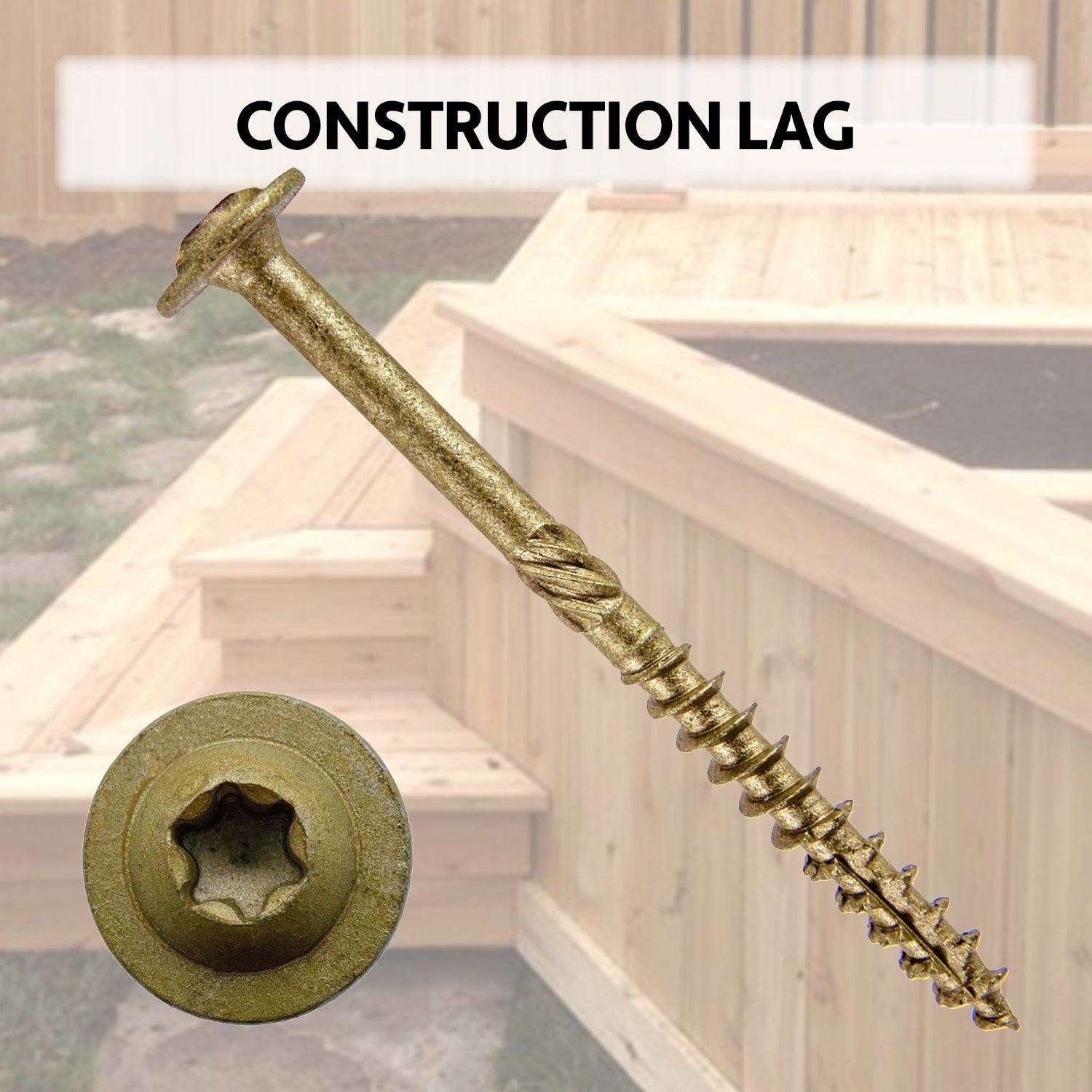
- Lag Screw: A heavy-duty structural screw designed to hold large loads.
- Low Profile (Lo Pro): A head design with reduced height above the surface.
M
- Marine Fasteners: Fasteners made to resist corrosion from saltwater, typically made from high-quality stainless steel.
- Metal: A hard material used to create fasteners for strong connections.
- Mini Driller: A small self-drilling point designed to speed up start times in thin metal.
- Mushrooming: Bulging caused by material moving upward during fastener installation; common in composite decking.
N
- Nail: A pointed fastener driven by impact on the head.
- Nailer: A power tool used to drive collated nails.
- Neoprene: A synthetic rubber formerly used in roofing hardware; largely replaced by EPDM.
- Notched Point: A screw point with a vertical notch to reduce splitting and speed up start times.
- Nut: A small threaded piece of metal used with a bolt to clamp materials together.
- Nylon: A durable synthetic polymer used to protect fasteners from abrasion.
O
- Overdriving: Driving fasteners too deep, reducing shear strength and risking moisture leaks.
- Overtightening: Applying excessive torque, potentially causing stripping, breakage, or material damage.
- Oxidation: The reaction that occurs when metals are exposed to oxygen, resulting in rust formation.
- Ozone: A naturally occurring gas that can degrade some rubber materials over time.
P
- Pallet: A platform used for shipping and storing bulk products.
- Penny Size: A standardized nail sizing system abbreviated "d".
- Pilot Hole: A pre-drilled hole that guides a fastener during installation.
- Pitch: The distance between adjacent threads on a fastener.
- Point: The leading end of a fastener.
- Polyurethane: A durable polymer used in coatings to extend fastener life.
- Pre-Drilling: Drilling a hole before installing a fastener.
- Pressure-Treated Lumber: Wood infused with chemical preservatives to resist decay and insect damage.
- Proof Load: The maximum tensile force a fastener can withstand before permanently deforming.
- Pull-Out Strength: Resistance against a fastener withdrawing from material.
- Pull-Through Strength: Resistance against a fastener head pulling through material.
R
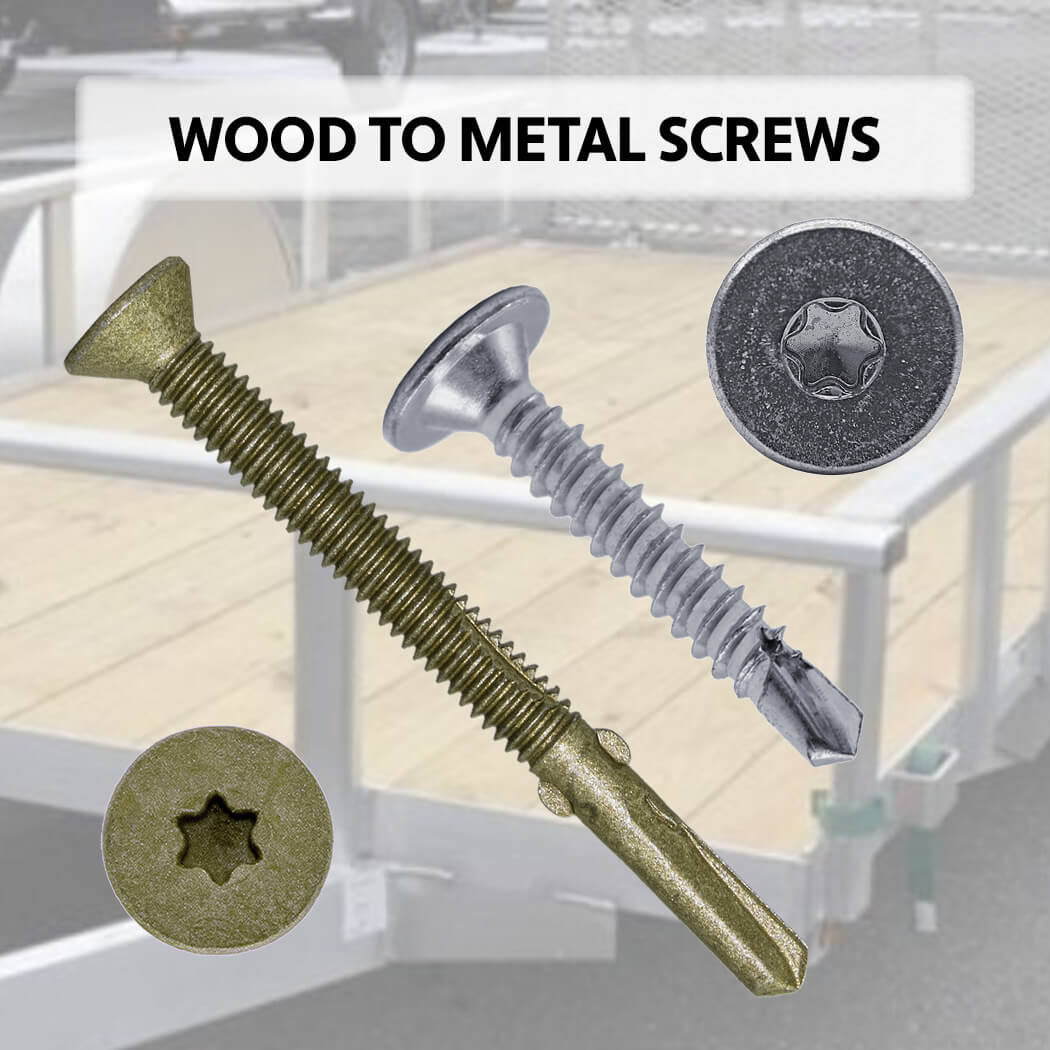
- Reamer Tek: A winged drill point that widens the hole to reduce thread engagement in the top material. Wings break off at contact with metal.
- ReGrip: Thread design intended to increase holding power in loosened connections.
- Roofing Screws: Screws designed for metal roofing and siding applications.
- Rust: Iron oxide formed when steel is exposed to moisture and oxygen.
S
- Ring Shank: A nail shank with ringed grooves or ridges for increased holding power.
- Smooth Shank: A plain nail shank without textured pattern.
- Alloy Steel: Steel containing additional alloying elements.
- Tempered Steel: Heat-treated steel designed for increased hardness and toughness.
- Stainless Steel: A corrosion-resistant steel containing chromium.
T
- Tensile Strength: The maximum pulling force a fastener can withstand before failure.
- Thread: The winding ridge on a fastener that creates clamping force.
- Coarse Thread: A thread pattern with fewer threads per inch and deeper thread depth.
- Fine Thread: A thread pattern with more thread per inch and shallower thread depth.
- Thread Crest: The highest point on a thread ridge.
- Thread Valley: The lowest point between threads.
- Thread Engagement: The amount of contact area between a fastener's threads and the material.
- Thread Form: The shape, angle, and dimensions of a fastener's threads.
- Threads Per Inch (TPI): The number of thread ridges within one inch.
- Tightening: Applying torque to create clamping force.
- Titanium: A lightweight, highly corrosion-resistant metal.
- Torque: Rotational force that drives a fastener.
- Applied Torque: Torque delivered by the driver.
- Resistive Torque: Torque from friction and material resistance that opposes applied torque.
U
- UV Radiation: Ultraviolet light from the sun that can degrade some materials over time.
- Undertightening: Applying insufficient torque to achieve proper clamping force.
W
- Walking: Unintentional fastener movement before penetration.
- Washer: A piece placed beneath a fastener head or nut to distribute load or create a seal.
- Wing: Projections on a screw shaft that ream a wider insertion hole.
- Wire: A long strand of metal used to manufacture fasteners.
- Wood: A natural material commonly fastened with screws and nails.
- Hardwood: Wood from deciduous tress that is typically denser and more rigid.
- Soft Wood: Wood from coniferous trees that is typically more flexible.
- Treated Wood: Wood treated with preservatives to resist decay and insects.
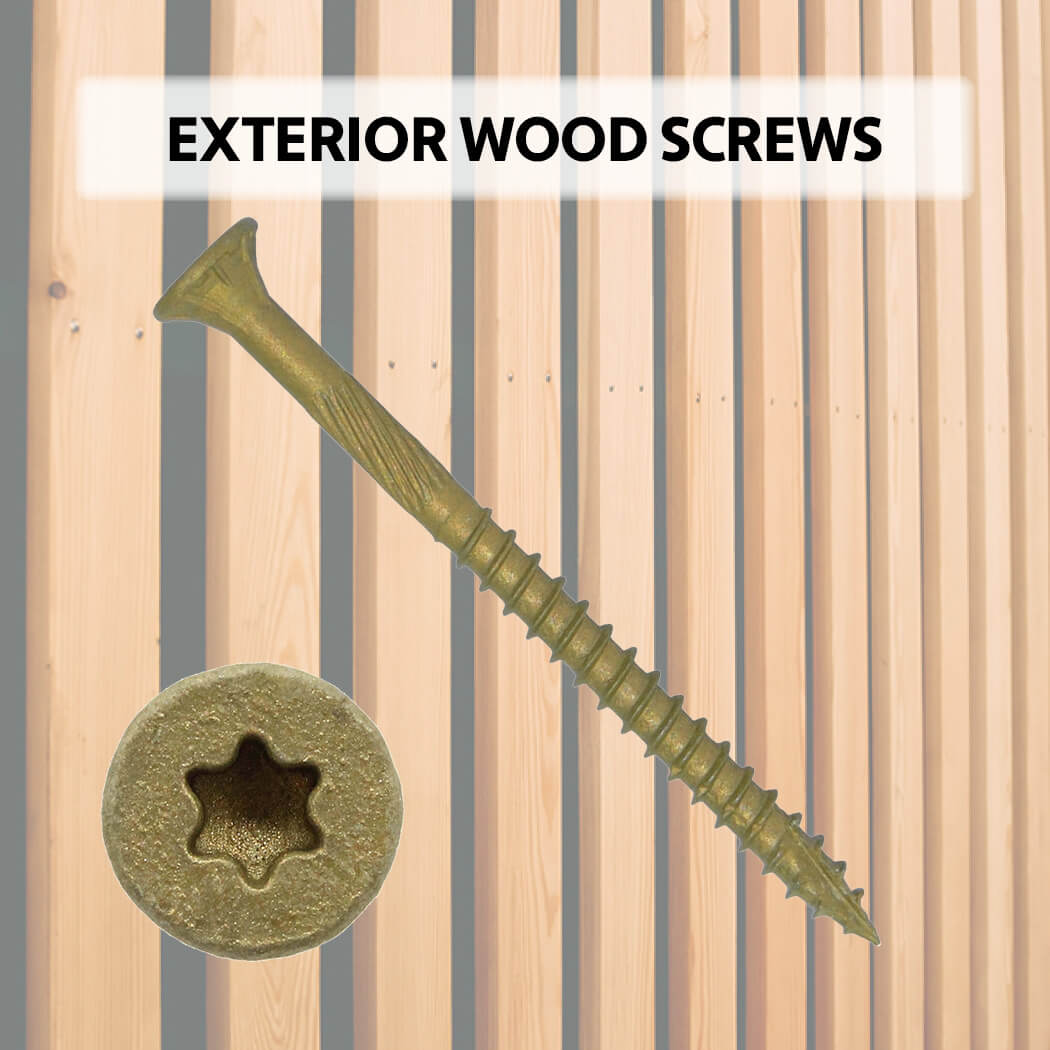
- Wood Screw: A multipurpose screw designed for use in wood connections.
Y
- Yield Strength: The maximum stress a fastener can withstand before permanent deformation.
Z
- Zinc: A corrosion-resistant metal commonly used as a protective coating on steel fasteners.